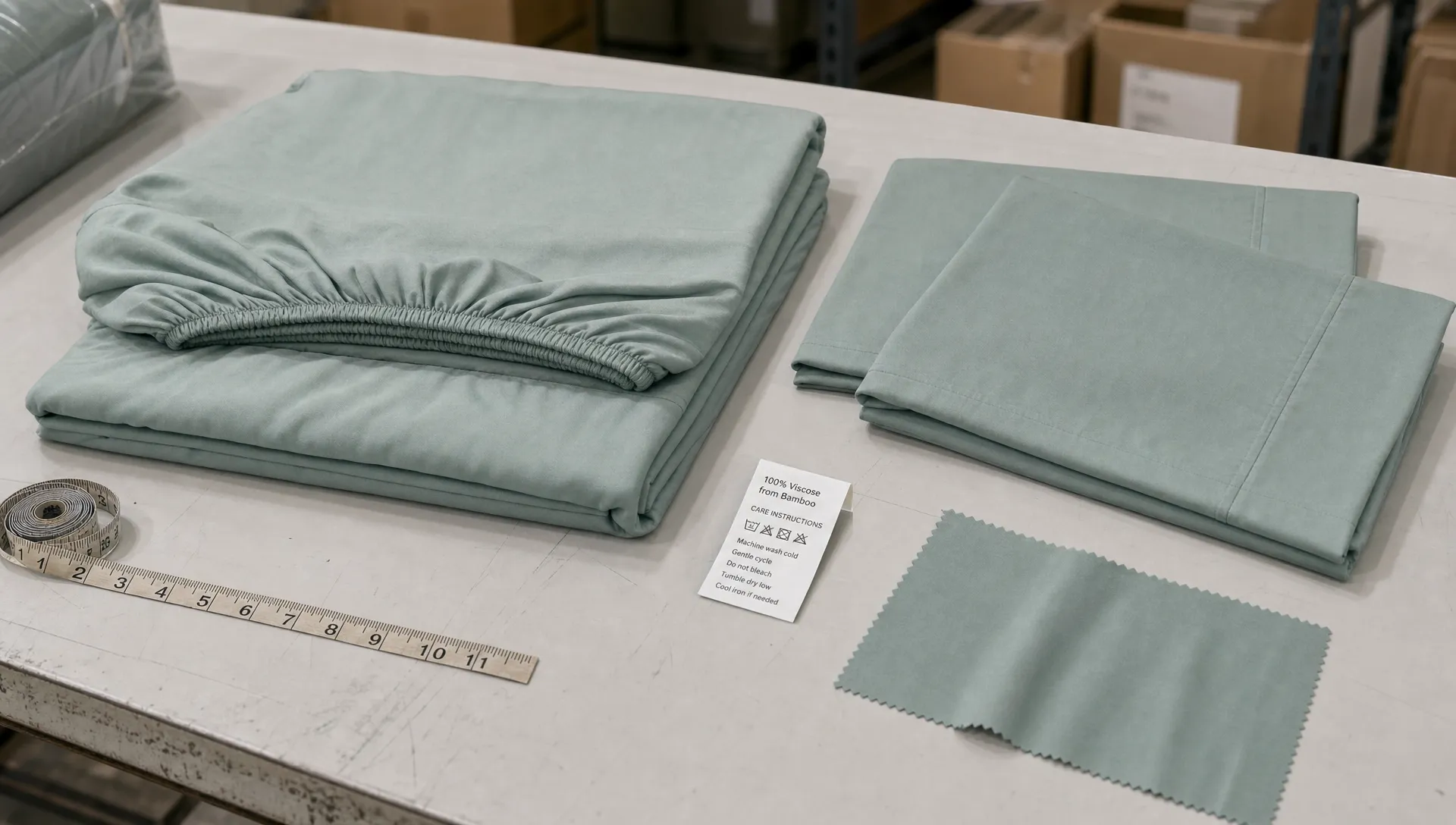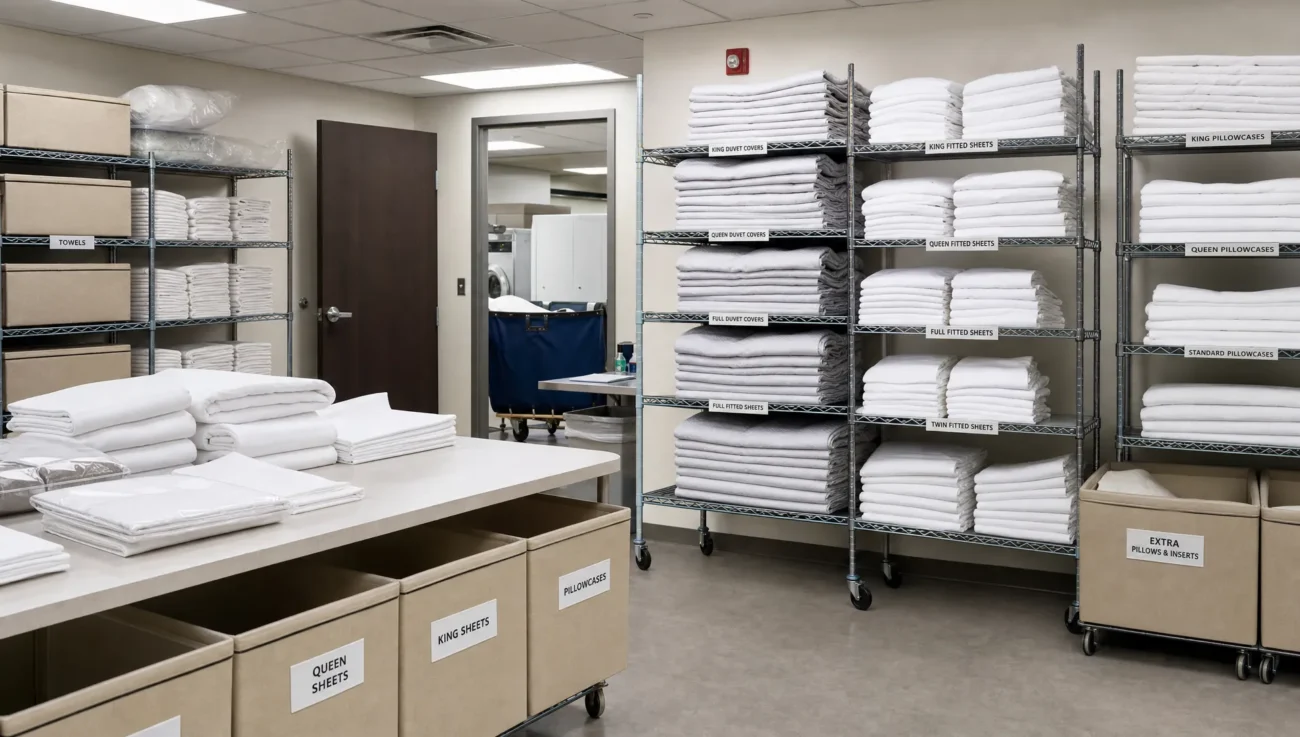
For hotel guests, room quality is judged in small, tactile moments: the sheet stays smooth after turndown, the duvet sits evenly on the mattress, the pillowcases match and the bed still looks fresh after repeated laundering. Those details are difficult to maintain when a property relies on generic bedding sourced in mixed batches.
Tailored bedding gives hotel operators, hospitality brands, wholesalers and distributors a way to standardize the sleep experience without treating every property as identical. It connects fit, fabric performance, construction, packaging and replenishment into one controlled program. For procurement teams managing rooms across the USA, Canada, Europe, Australia, Japan or South Africa, that control is what turns bedding from a recurring operational headache into a repeatable room standard.
Why consistent bedding standards matter in hotels
A guest may not know the thread count of a sheet, but they notice when a fitted sheet pulls loose, a duvet cover looks undersized or pillowcases vary slightly in shade. Inconsistency creates visual noise in a room that should feel calm and carefully prepared.
For hotel teams, bedding variation also creates practical problems. Housekeepers lose time adjusting poor-fitting sheets. Laundry teams struggle when different fabrics shrink at different rates. Procurement teams face more complaints and replacement orders because each batch behaves differently.
Consistent hotel room standards depend on bedding that is planned for the real operating environment, not just the showroom sample. That means accounting for mattress depth, topper thickness, wash process, folding method, room category, climate, brand color and the expected replacement cycle.
What tailored bedding means for hospitality buyers
Tailored bedding is more than ordering a non-standard size. In hospitality procurement, it means creating a bedding specification around a property or brand standard, then manufacturing to that specification consistently across bulk orders.
A tailored program can include flat sheets, fitted sheets, duvet covers, pillowcases, shams, comforters, mattress protectors and decorative top layers. The customization may involve dimensions, fabric composition, yarn count, weave, stitching style, hems, labels, packaging, color, shrinkage allowance and carton organization.
The goal is not unnecessary complexity. The goal is to remove avoidable variation. When every room receives bedding designed to the same technical brief, teams can maintain a cleaner bed presentation and a more predictable guest experience.
| Room standard area | Risk with generic bedding | Tailored bedding control |
|---|---|---|
| Mattress fit | Sheets pull loose or bunch at corners | Dimensions are built around mattress height, topper use and tuck preference |
| Visual presentation | Duvets, sheets and pillowcases sit unevenly | Finished sizes align with the bed style and room category |
| Laundry performance | Shrinkage changes fit over time | Fabric and sizing can account for commercial wash behavior |
| Guest comfort | Fabric feel varies between batches | Construction and material specifications are standardized |
| Housekeeping speed | Staff spend longer correcting the bed | Bedding is easier to identify, fit and fold consistently |
| Brand consistency | Different properties look slightly different | Color, label and packaging requirements are defined in advance |
Build the specification around the real bed
The starting point for tailored bedding is the bed itself. Hotels often use mattresses with varying depths, pillow tops or toppers, and these details affect every bedding component. A fitted sheet that works on a residential mattress may fail quickly on a hotel mattress with a topper. A duvet cover that looks generous in a sample room may look short after laundering.
A strong specification should include mattress width, length, height, topper depth, preferred drop, tuck requirements and finished dimensions after expected shrinkage. It should also state whether the bedding is for king, queen, twin, single, double, split king or region-specific sizes. International buyers should include both centimeters and inches to reduce interpretation errors across markets.
For a deeper look at fit and measurement details, Extreme Towel has a useful guide on custom size bed sheets for better fit that explains how sizing decisions affect hotels, wholesalers and private-label bedding brands.
Comforters and duvets need the same level of planning. Fill weight, shell fabric, quilting pattern and finished size all influence how the bed looks and how the product performs in laundering. If the sleep program includes comforters, review how hotel bed comforters balance comfort and durability before finalizing the bedding set.
Fabric choices affect standards long after delivery
Hotels often discuss bedding in terms of softness, thread count or visual appeal. Those factors matter, but commercial performance depends on the complete fabric choice. Fiber content, yarn quality, weave structure, finishing and stitching all influence how bedding behaves after repeated use.
Cotton can deliver a familiar crisp hand feel. Cotton-rich blends can help support durability and ease of care in certain hotel programs. Bamboo or bamboo-blend bedding may be selected for a softer drape and a different guest experience, depending on the brand positioning and laundering process. The right choice depends on the property type, guest expectation, climate, budget and wash conditions.
Thread count should not be treated as the only sign of quality. A well-constructed fabric at an appropriate specification can outperform a product that looks stronger on paper but fails to fit the hotel laundry cycle. For hospitality buyers, the better question is whether the fabric can deliver the same hand feel, appearance and size stability across the expected service life.
Quality control turns customization into consistency
Tailored bedding only works when manufacturing control supports the specification. A sample may look correct, but bulk production needs repeatable controls at each stage.
Quality checks usually focus on fabric shade, dimensions, stitching, hems, labels, packing accuracy and finished appearance. For hotel linen, dimension checks before and after wash testing are especially useful because commercial laundering can change the fit and presentation of the product.
The same principle applies across precision manufacturing. A producer of custom-engineered shafts and rollers must control material choice, tolerances, finishing and balancing because small variations can affect performance. Bedding is a softer product, but the operational lesson is similar: consistency comes from a defined specification and disciplined production checks.

For a hotel or distributor, the most useful quality process begins before production. The buyer and manufacturer should confirm a pre-production sample, review the technical sheet and agree on tolerance ranges. Once bulk production begins, inspection should verify that the approved standard is being followed, not simply that the product looks generally acceptable.
How tailored bedding supports housekeeping teams
Housekeeping teams are often the first to feel the cost of poor bedding specifications. A fitted sheet with shallow pockets can slow down every room. A duvet cover that is too tight can require extra handling. Pillowcases with inconsistent sizing make the bed look untidy even when the work is done correctly.
Tailored bedding can reduce these frictions by matching product design to daily room turnover. Sheets can be sized for faster tucking. Pillowcases can be standardized by room type. Duvet covers can be specified to suit the insert and folding method. Packaging can separate bedding by size, property, floor or product category when required.
This matters because hotel standards are maintained through repetition. A room attendant may make dozens of beds in a shift. Bedding that behaves predictably helps the team deliver the same visual result from the first room to the last.
Procurement details that prevent future variation
Many bedding problems begin with an incomplete brief. If a purchase order only lists size, color and quantity, the manufacturer has too much room to interpret the product. A stronger brief gives the supplier the details needed to reproduce the standard across orders.
| Specification item | Why it matters |
|---|---|
| Finished dimensions | Protects fit after manufacturing and laundering |
| Fabric composition | Defines hand feel, durability and care behavior |
| Weave and construction | Affects breathability, strength and presentation |
| Stitching and hems | Supports durability and the desired hotel look |
| Shrinkage expectations | Helps maintain size after repeated washing |
| Labeling requirements | Supports brand, care instructions and sorting |
| Packaging format | Improves storage, distribution and room setup |
| Reorder reference | Helps future batches match the approved standard |
Hotels, wholesalers and hospitality groups should also plan replenishment from the beginning. The first order may complete a property opening or seasonal refresh, but consistent standards depend on the next order matching the first one. Keeping approved samples, technical sheets and production references helps avoid drift over time.
For buyers comparing bulk sourcing options, Extreme Towel presents its capabilities as a wholesale hotel linen manufacturer for hotels and resorts, including custom manufacturing support for hospitality programs.
Tailored bedding for global hotel standards
Hotel bedding standards are global, but operating realities vary by market. A resort in Australia may prioritize breathable bedding for warmer conditions. A hotel group in Germany, France or the Netherlands may require strict dimensional consistency across multiple properties. Buyers in Canada and the USA may work with different bed size conventions than teams in Japan, Poland, Spain or South Africa.
A tailored bedding program helps bridge those differences by creating one controlled standard with room for local adaptation. The core brand experience can remain consistent, while details such as dimensions, product mix, packaging language or seasonal weight can be adjusted for the market.
For distributors and private-label brands, tailored bedding also supports cleaner assortment planning. Instead of sourcing disconnected products from multiple suppliers, the brand can build a coordinated line with consistent fabric, color, packaging and size logic.
Common mistakes to avoid when specifying hotel bedding
One common mistake is approving bedding based only on the first touch. Softness matters, but the product also needs to retain its fit, shape and appearance after repeated wash cycles. A bedding sample should be evaluated for both guest feel and operational performance.
Another mistake is ignoring the mattress topper. Even a small topper can change pocket depth, drop and tuck requirements. If a property changes mattresses or adds toppers without updating bedding dimensions, room presentation can decline quickly.
A third mistake is treating all room categories the same. Suites, premium rooms and standard rooms may use different bed heights, pillow counts or comfort layers. Tailored bedding can keep the brand look consistent while adapting the technical specification to each room category.
Frequently Asked Questions
What is tailored bedding for hotels? Tailored bedding is hotel bedding manufactured to a defined specification for fit, fabric, construction, labeling, packaging and performance. It is designed around the property standard rather than relying only on generic sizes.
How does tailored bedding improve hotel room consistency? It reduces variation in how sheets, pillowcases, duvet covers and comforters fit and present across rooms. This helps housekeeping teams make beds more predictably and helps guests experience the same standard throughout the property.
Is tailored bedding only for luxury hotels? No. Luxury hotels often use tailored bedding for brand presentation, but midscale hotels, resorts, serviced apartments, wholesalers and distributors can also benefit from better fit, standardized quality and simpler replenishment.
What should a hotel include in a bedding specification? A practical specification should include finished dimensions, mattress depth, fabric composition, weave, color, stitching details, shrinkage expectations, care requirements, labels, packaging and reorder references.
Can tailored bedding support private-label programs? Yes. Private-label and wholesale buyers can use tailored bedding to create a consistent product line with customized sizing, packaging, labels and fabric choices, provided the manufacturer supports OEM or custom production.
Build a more consistent hotel bedding program
Consistent rooms start with consistent textiles. When bedding is tailored to the mattress, laundering process, guest expectation and brand standard, hotels gain better control over presentation and long-term performance.
Extreme Towel is a Pakistan-based textile manufacturer and exporter serving hotels, hospitality brands, wholesalers, distributors and private-label customers worldwide. The company supports terry towel manufacturing, hotel linen production, bamboo bedding, bathrobes, OEM manufacturing, bulk wholesale orders, quality control inspections, custom packaging and global export service.
If your hotel or brand needs tailored bedding for consistent room standards, work with a manufacturing partner that can turn your technical brief into repeatable bulk production.