Fast room turnover does not depend on speed alone. It depends on bedding that housekeepers can strip, inspect, launder, restock and remake with fewer interruptions. Hotel duvet covers support that goal because they turn the duvet into a removable, washable layer that protects the insert and keeps the bed presentation consistent from room to room. For hotel operators, distributors and hospitality buyers, the right cover is not just a decorative item. It is a small operational tool that affects labor flow, laundry volume, linen inventory and the guest's first impression.
Why hotel duvet covers matter in room turnover
A duvet cover system simplifies one of the most repeated tasks in a hotel: resetting the bed after checkout. When the cover is designed for commercial use, housekeeping teams spend less time wrestling with loose layers, correcting uneven corners or checking whether a fill item needs to be pulled from service.
The benefit is not that every bed becomes effortless. The benefit is that the steps become more predictable. Predictability is what helps a housekeeping supervisor plan room boards, train new attendants and maintain standards across peak arrival days.
Fewer loose layers, fewer handling points
For operations teams, hotel duvet covers can reduce the number of bedding pieces that must be aligned on the bed. In a traditional layered setup, attendants may handle a bottom sheet, top sheet, blanket, decorative cover and pillows before the room is ready. A duvet cover and insert still require skill, but the bed structure is easier to standardize.
Fewer layers also mean fewer handling points during stripping. The attendant can remove the used cover, set aside the insert if it is still clean and move the cover into the laundry stream. This matters during high-occupancy periods, when a property may need hundreds of rooms reset before afternoon check-in.
Easier inspection before the room is released
A clean bed must look clean before it feels clean. White or light-toned covers make stains, lint and visible wear easier to spot during inspection. That supports faster decision-making: the item either returns to service, goes to rewash or is pulled for repair or replacement.
Good hotel duvet covers also help protect the duvet insert from direct guest contact, cosmetic residue and spills. Inserts usually take longer to wash and dry than covers, so protecting them keeps the room reset process from being delayed by bulky laundry.
The operational gains behind faster bed making
The speed advantage comes from several design choices working together. Fabric weight, size accuracy, closure style and internal ties all affect how quickly a cover can be fitted and how neat the finished bed looks.
Standard sizing keeps teams moving
Commercial bedding should be sized to the mattress, duvet insert and property bed-making style. If covers are too small, attendants fight the corners. If they are too large, the bed can look baggy or uneven. Both problems slow down turnover because staff must spend extra time correcting the presentation.
Sizing is especially important for hotels that use non-standard mattresses, mattress toppers or regional bed dimensions. Properties that need a tighter spec can benefit from the same procurement discipline used for tailored bedding that keeps hotel room standards consistent, where measurements, tolerance ranges and repeat production quality are set before ordering.
Closure design affects minutes and mistakes
Closure style can look like a small detail, but it changes how the cover performs in daily housekeeping. Envelope closures are simple and avoid loose hardware. Button closures can be secure, but damaged buttons may slow the room reset if they need repair. Zippers can help create a neat finish when they are durable enough for commercial washing.
This is where hotel duvet covers should be specified around the property workflow rather than chosen only from a fabric swatch. A luxury hotel, serviced apartment, cruise supplier and budget property may all need different closure priorities because their laundry process, labor model and guest expectations differ.
| Design feature | Turnover impact | Procurement note |
|---|---|---|
| Accurate sizing | Reduces corner adjustments and remaking | Match cover dimensions to insert size and bed style |
| Internal ties or corner loops | Keeps insert from shifting during use | Check placement and stitching strength in samples |
| Practical closure | Speeds fitting and supports a neat edge | Choose based on laundry durability and staff preference |
| Commercial fabric weight | Balances easy handling with long wear | Avoid fabric that is too heavy for daily room resets |
| Consistent color shade | Helps rooms look uniform across batches | Confirm shade continuity for repeat orders |
Laundry efficiency and inventory control
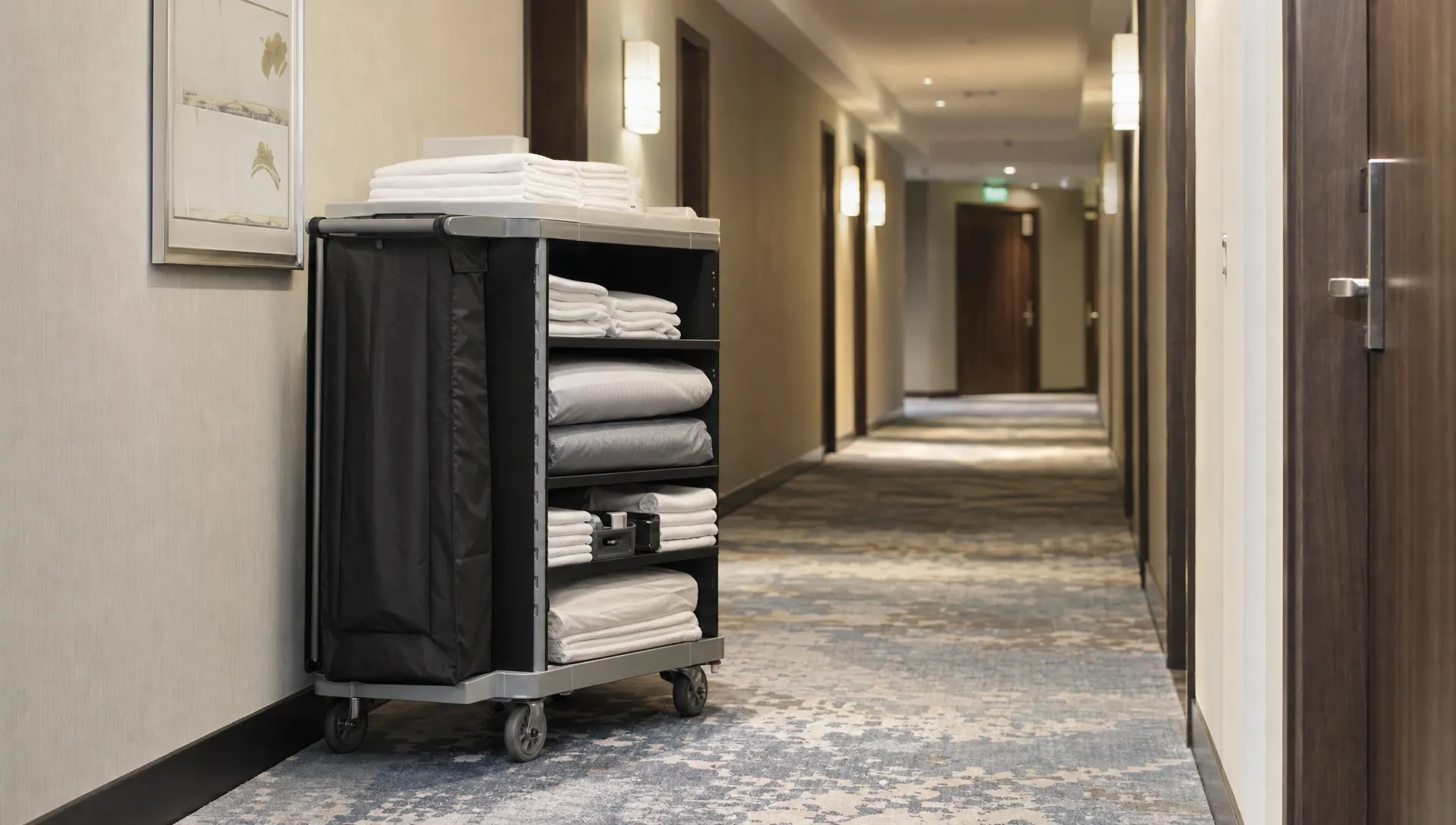
Laundry is often where the real turnover pressure appears. A room can only be released when clean linen is available, so bedding that dries predictably, folds neatly and stacks well can improve the flow between housekeeping and the laundry team.
Durable hotel duvet covers are easier to rotate than bulky inserts because they occupy less washer, dryer and storage capacity. They also make it easier to separate heavily stained items from normal soil loads. The goal is not to make laundry invisible, but to reduce the number of bulky emergency washes that disrupt the day.
Better par planning
Par level is the number of linen sets a property needs to operate without shortages. If duvet covers wear at an unpredictable rate or arrive in inconsistent sizes, par planning becomes harder. The laundry team may have enough pieces on paper but still struggle because too many covers are in rewash, repair or reject bins.
A consistent cover specification helps purchasing teams forecast replacements by room count, occupancy and wash cycles. It also helps distributors and wholesalers support repeat orders for hotels in different regions without changing the core product standard every season.
Clearer replacement decisions
Replacement decisions should be based on visible condition and performance, not guesswork. Covers with thinning fabric, gray cast, broken closures or weakened seams create delays because staff must decide whether the item is still acceptable.
Documenting reject reasons gives the procurement team better feedback for the next order. If closures fail first, adjust closure construction. If corners tear, review sizing, seam strength and insertion method. If fabric loses brightness too soon, review fiber blend, finishing and laundry chemistry with the supplier.
Guest perception without slowing the team
Room turnover is not only an internal metric. Guests judge the room within seconds of seeing the bed. A smooth duvet surface, crisp edges and uniform color help communicate cleanliness before the guest touches anything.
Hotel duvet covers support that impression because the visible layer is refreshed between stays while the insert remains protected inside. This approach can help properties deliver a cleaner visual standard without relying on decorative bedding that may be harder to wash frequently.
Comfort still matters
Speed should not come at the expense of sleep quality. The cover must work with the duvet insert, not against it. If the cover is stiff, noisy or poorly matched to the fill, the bed may look good but feel wrong. If the cover is too warm for the climate, guests may remove it and disrupt the presentation for stayover service.
Hotels reviewing their full bedding system should evaluate the insert as well as the cover. For example, a property that is adjusting fill weight, shell fabric or seasonal warmth can compare those decisions with guidance on hotel bed comforters that balance comfort and durability.
Consistency across property types
A city business hotel may prioritize fast resets and sharp presentation. A resort may prioritize softness and breathable fabrics. A long-stay property may need covers that can withstand frequent guest handling and extended use. The right product is the one that fits the operating model.
That is why hotel duvet covers should be evaluated through both guest experience and back-of-house performance. A cover that looks impressive in a sample room may not be the best choice if it slows attendants, overloads laundry or creates early replacement costs.
What to specify when buying hotel duvet covers
Buying for hospitality requires clearer specifications than buying retail bedding. A purchasing team should define the cover before discussing price so suppliers can quote the same product and samples can be compared fairly.
Key specifications usually include fabric composition, weave, GSM or fabric weight, finished size, shrinkage allowance, closure type, internal ties, color, packaging, labeling and carton details. For private-label or wholesale programs, the buyer may also need custom branding, care labels and export documentation.
When procurement teams standardize hotel duvet covers across rooms or properties, they make it easier to train staff and control reorder quality. Standardization also reduces the risk of mixed sizing or shade variation entering the linen pool after multiple purchases.
Sample testing before bulk orders
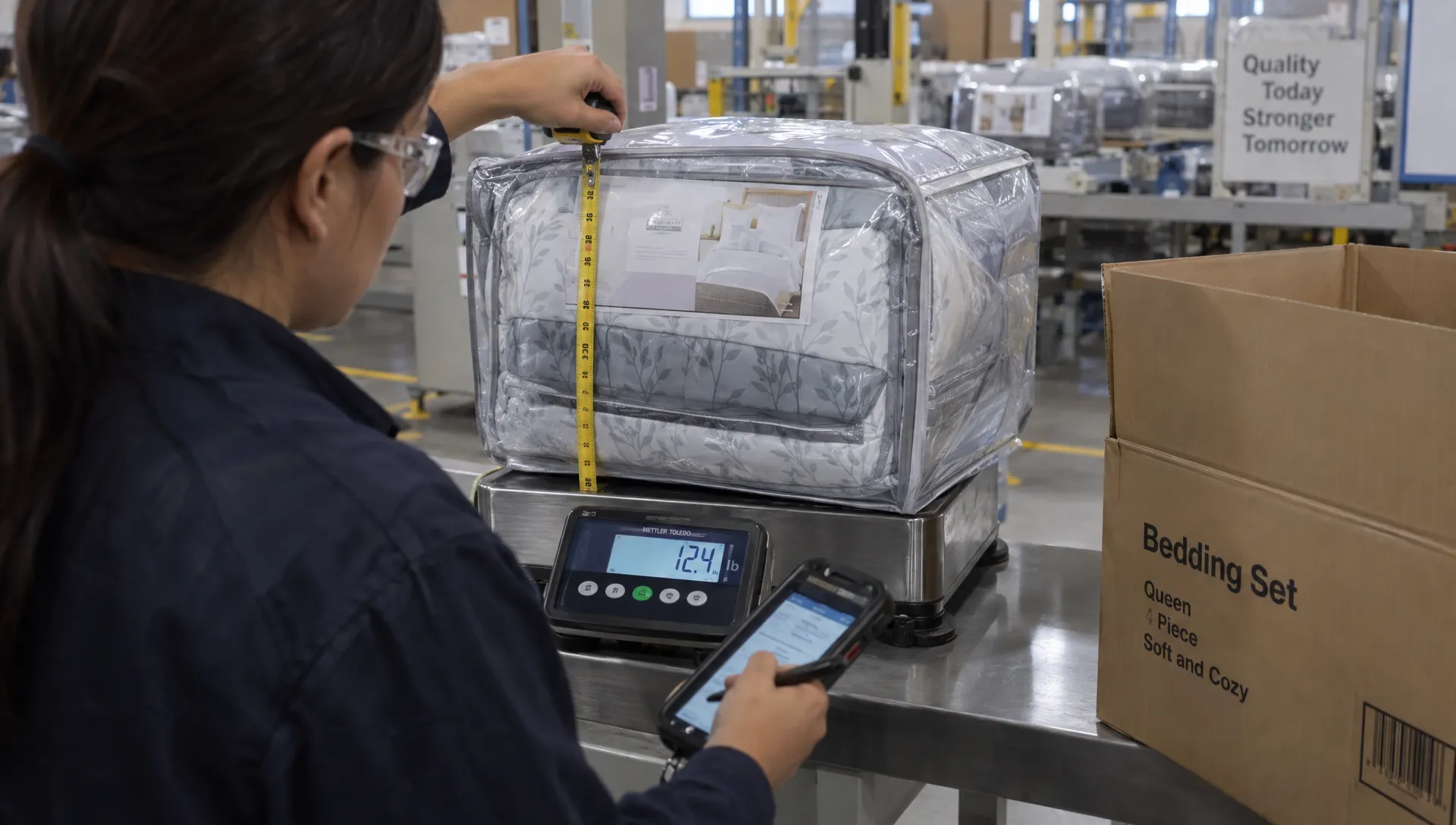
A sample should be reviewed in the same way the product will be used. Fit it over the intended insert, make the bed, remove it, wash it and inspect it again. This simple process can reveal shrinkage, seam stress, closure weakness and changes in hand feel before a bulk order is placed.
For buyers sourcing from Pakistan, a manufacturer with hospitality experience can help translate the operational requirements into production specifications. Extreme Towel offers bulk duvet cover and quilt cover manufacturing for hospitality, wholesale and private-label customers, including custom manufacturing and export support.
Frequently Asked Questions
Do duvet covers really make hotel room turnover faster? They can, especially when the size, closure and fabric weight match the property's housekeeping process. The main advantage is a cleaner, more repeatable bed-making system with fewer bulky items entering laundry after every stay.
How many hotel duvet covers should a property keep in inventory? The right par level depends on room count, occupancy, laundry turnaround time and replacement rate. Many properties calculate par by considering what is on beds, what is in laundry, what is in storage and what is held as emergency backup.
What fabric is best for commercial duvet covers? Cotton, cotton-rich blends and other hospitality-grade fabrics can all work when they meet the required durability, comfort and laundering standards. The best choice depends on the property's climate, guest expectations, laundry setup and target price point.
Should hotels use zippers, buttons or envelope closures? Each closure has tradeoffs. Zippers can give a neat finish if they are durable, buttons are familiar but may need repair and envelope closures are simple with no hardware. The best option is the one that survives the laundry process and helps attendants work efficiently.
Source duvet covers that support faster hotel operations
Room turnover improves when bedding is designed for the people who use it every day: guests, housekeepers, laundry teams and purchasing managers. If your hotel, distribution business or private-label program needs reliable duvet cover production, Extreme Towel can support custom OEM manufacturing, bulk orders, quality control and global export from Pakistan.
Start by defining the room standard you want to protect, then source covers that make that standard easier to repeat at scale.