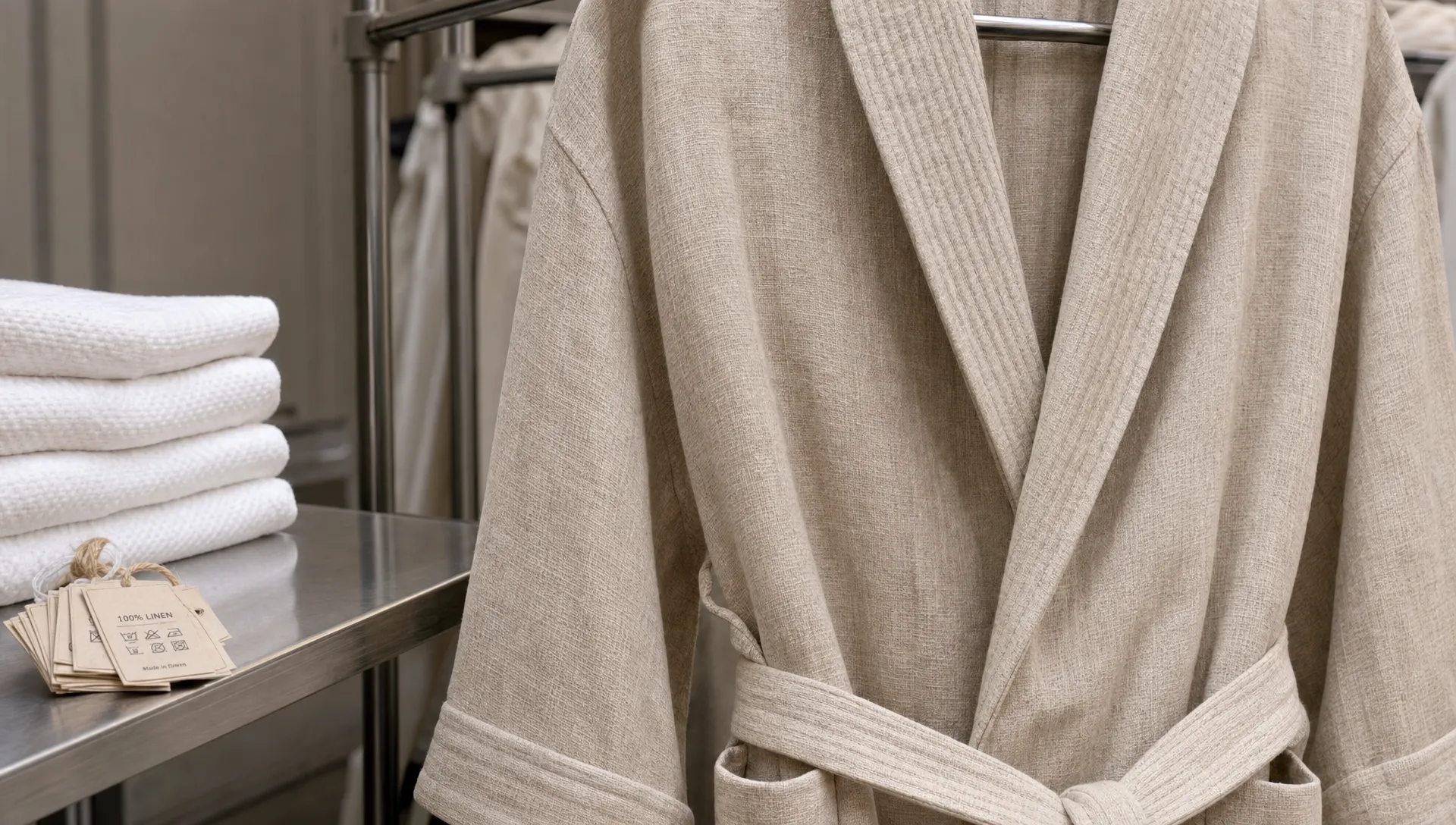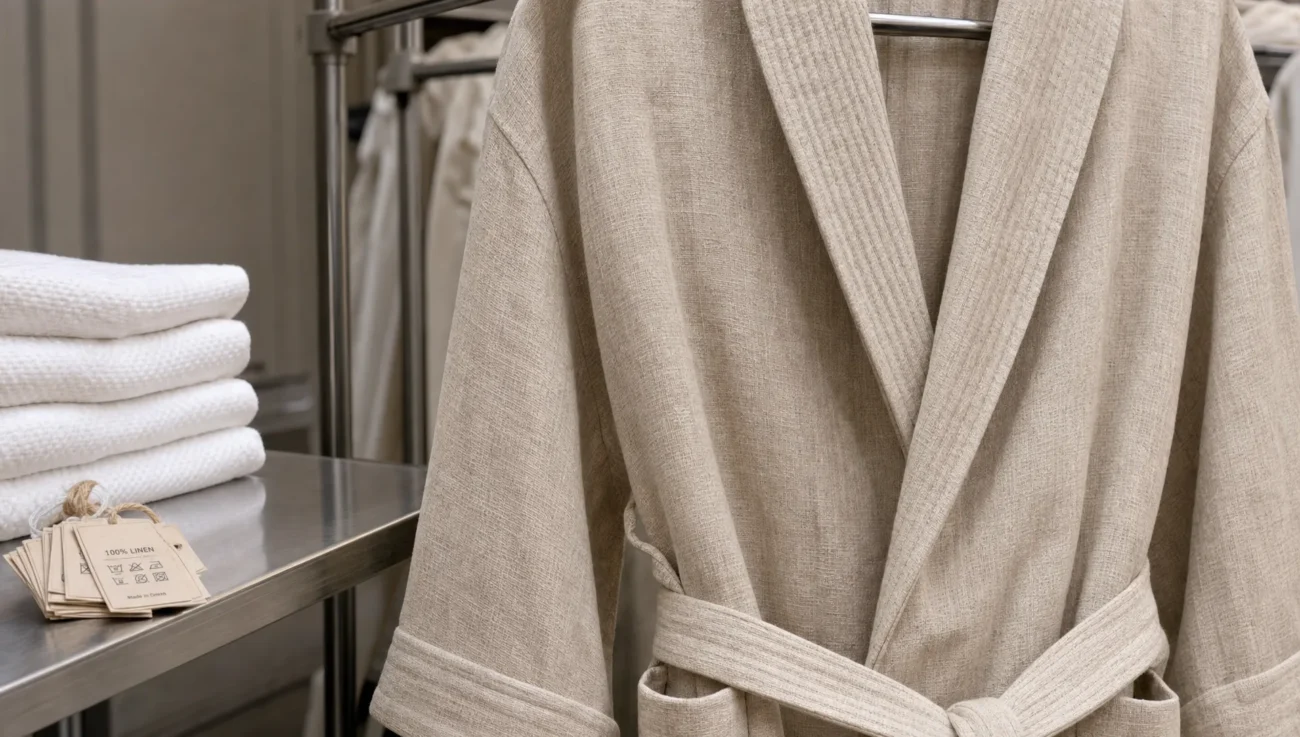
In boutique hospitality, the robe is more than an amenity. It is part of the room’s mood, the spa’s rhythm and the guest’s memory of comfort after checkout. Linen bathrobes can become a strong fit when a hotel or spa wants a lighter, breathable robe that feels refined rather than bulky.
For many properties, the default choice is a plush terry or microfiber robe. Those fabrics still make sense in many programs, especially when the goal is warmth and cocooning. Linen serves a different role. It supports warm climates, wellness positioning, minimalist interiors and guest journeys where the robe needs to move easily from shower to treatment room to terrace.
Where linen bathrobes fit in boutique hospitality
Boutique hotels and spas are not trying to look like every other property. Their textile choices need to support a specific brand story, whether that story is coastal calm, urban wellness, countryside retreat or luxury simplicity. A robe made from linen, or a linen-rich fabric, can reinforce that identity because it has a natural texture and a relaxed appearance that feels deliberate.
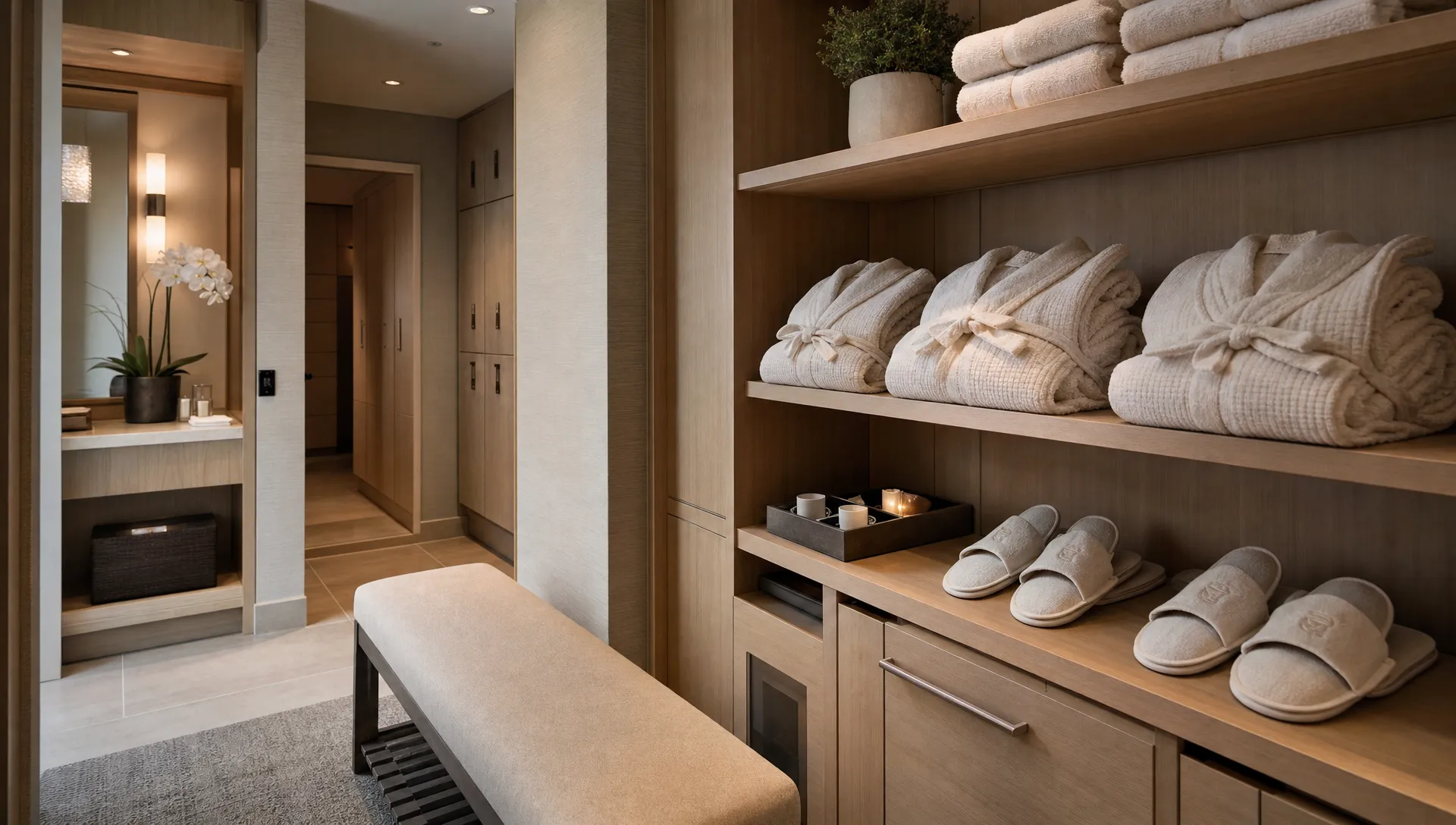
For a boutique hotel, linen bathrobes work best when they are treated as part of a complete guest experience rather than an isolated product. The robe should make sense beside the towels, bath mat, bedding, slippers, spa menu and bathroom design. A highly structured city hotel may prefer a crisp kimono silhouette, while a resort or wellness retreat may choose a softer shawl collar or wrap style.
The value is emotional as well as practical. Guests notice fabrics that feel different from what they use at home. Linen has a dry, breathable handfeel and a visual texture that photographs well, which matters for properties that rely on social sharing, direct bookings and repeat guest loyalty.
Why linen works for spa and wellness programs
Spa programs need robes that support movement, comfort and hygiene workflows. A guest may wear the robe before a massage, after a steam session, during relaxation time or while moving between treatment areas. Heavy robes can feel luxurious in winter, but they can also feel too warm in saunas, tropical resorts or busy treatment circuits.
In spa programs, linen bathrobes help create a lighter experience. They are especially relevant for warm weather destinations, day spas, boutique wellness hotels and properties that want a clean, natural look. Linen is known for breathability and moisture release, which can make the robe feel fresher in use compared with heavier, pile-based alternatives.
That does not mean linen should replace every robe category. Many hotels keep more than one robe style. A spa might use a lighter linen robe for treatments and a plush robe in premium suites. A resort may offer linen during summer and a warmer option in cooler months. The smartest programs match robe construction to the setting, not just the trend.
Linen versus terry and microfiber robes
Choosing robe fabrics becomes easier when the property compares guest expectations with operational needs. Terry cloth is absorbent and familiar. Microfiber can be soft, lightweight and quick to dry. Linen brings texture, breathability and a more lifestyle-driven look.
| Robe type | Best fit | Guest perception | Operational note |
|---|---|---|---|
| Linen or linen-rich | Boutique hotels, spas, warm climates, wellness retreats | Natural, breathable, refined, relaxed | May wrinkle more and needs thoughtful finishing |
| Terry cotton | Hotel bathrooms, pools, colder climates, high absorbency needs | Plush, warm, classic hotel comfort | Bulkier in storage and laundry loads |
| Microfiber | Lightweight robe programs, gyms, some spa and retail uses | Soft, smooth, easy to wear | Handfeel depends heavily on fabric quality |
| Waffle weave cotton | Spa areas, saunas, minimalist hotels | Clean, light, practical | Less plush than terry, but compact and efficient |
This comparison also helps buyers avoid a common mistake: choosing robes only by softness at first touch. A robe must still perform after repeated washing, folding, room placement and guest use. Boutique properties should evaluate fabric feel, seam strength, shrinkage control, drying behavior, size grading and brand fit before placing a bulk order.
Design details that make the robe feel intentional
When buyers specify linen bathrobes, small design decisions have a large effect on how the robe performs. Sleeve length, belt width, pocket depth, collar shape and hem finishing all affect comfort. A robe that looks elegant on a hanger can still frustrate guests if the belt slips, the sleeves drag into water or the wrap does not provide enough coverage.
Sizing deserves special attention. Boutique hotels often prefer a simplified size range to keep operations manageable, but one-size robes do not work equally well for every guest. A practical program may use two or three size groups, then assign the most flexible size to standard rooms and keep extended sizes available on request.
Branding should be subtle. Embroidery, woven labels, jacquard trims or custom packaging can make the robe feel proprietary, but over-branding can turn an elegant spa robe into a souvenir item before the guest has even used it. For boutique properties, the best branding is usually tactile and quiet.
If you are building a wider room and bathroom textile program, Extreme Towel’s guide to bath linen products that improve the hotel guest experience is a useful companion because robe choices should align with towels, mats and other guest-facing essentials.
Care, laundry and replacement planning
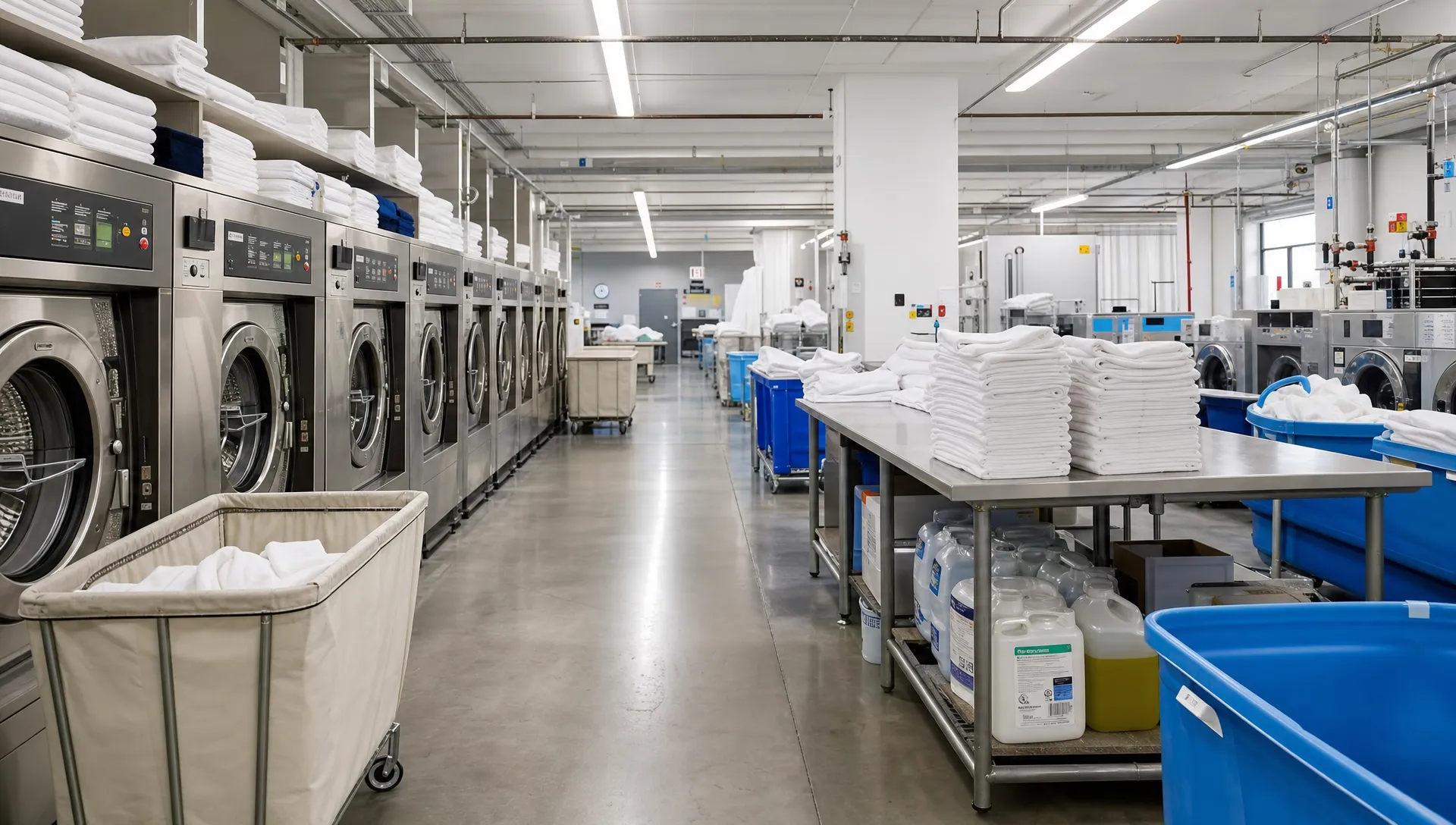
Linen can be durable, but hospitality use is demanding. Robes go through frequent washing, drying, handling and storage. Before committing to bulk production, buyers should test samples under real laundry conditions rather than judging them only in a showroom.
The best linen bathrobes for hotel and spa use are specified with care instructions, seam construction and finishing processes that match commercial laundering. Buyers should discuss expected wash temperatures, drying methods, ironing or pressing needs and shrinkage tolerance with the manufacturer before approving production.
Care labeling also matters in export markets. In the United States, the Federal Trade Commission provides guidance on textile care labels through its Care Labeling Rule. For buyers selling or distributing robes in multiple regions, label language, fiber content declarations and country-specific requirements should be reviewed before shipment.
Replacement planning is another cost control point. A robe program should define when robes move from guest rooms to spa back-of-house use, staff use or retirement. Clear grading keeps the guest-facing experience consistent and helps purchasing teams forecast reorder timing.
Sourcing considerations for boutique hotel groups and spas
Boutique hotels, spa operators and distributors in markets such as the USA, Canada, Europe, Australia and Japan often need more than a basic catalog item. They may need custom sizing, private-label branding, packaging, export documentation and quality inspections before shipment. That is where a manufacturing partner becomes important.
When sourcing linen bathrobes, buyers should prepare a clear specification sheet. It should include fabric composition, weight or construction, robe style, sizing, color standards, label placement, packaging format and testing expectations. A written spec reduces misunderstandings and helps the supplier quote accurately.
Extreme Towel is a Pakistan-based textile manufacturer and exporter serving hospitality brands, wholesalers, distributors and private-label customers. Its broader capabilities include towel manufacturing, hotel linen production, bathrobe manufacturing, OEM manufacturing, quality control inspections, custom packaging and global export support. For properties that also need bedding or room linen, the company’s wholesale hotel linen manufacturing offering can help align robe sourcing with the wider textile program.
How to evaluate samples before bulk production
A robe sample should be tested in the environment where the final product will be used. The spa team, housekeeping team and purchasing team may notice different issues, so feedback should come from all three. Guests value comfort, housekeeping values speed and consistency, and purchasing needs durability over time.
A simple evaluation process can prevent expensive mistakes. Review the robe after unpacking, after the first wash and after several laundry cycles. Check for twisted seams, excessive shrinkage, color change, rough stitching, weak belt loops and changes in handfeel. For linen-rich robes, pay attention to how the fabric creases and whether that appearance fits the property’s brand standards.
The strongest linen bathrobes are not always the heaviest or most expensive. They are the ones that balance the property’s atmosphere with practical handling. A robe used in a Mediterranean-style spa may need airy texture and easy movement, while a high-end urban suite may need a more structured finish and sharper presentation.
Program ideas for different property types
A coastal boutique hotel might place light linen robes in guest rooms with breathable bedding, neutral towels and natural-fiber slippers. The robe supports a relaxed, sun-washed identity and can be included in retail displays if the property sells branded amenities.
A spa retreat may use linen robes for treatment journeys where guests move between relaxation lounges, massage rooms and outdoor spaces. The robe becomes part of the wellness ritual rather than just a bathroom accessory. In this setting, storage efficiency and fast room turnover can matter as much as appearance.
A city boutique hotel might reserve linen robes for premium rooms, bridal suites or spa packages. This selective placement helps control costs while giving high-value guests a differentiated experience. The same property may still use terry or microfiber robes in other room categories.
Frequently Asked Questions
Are linen bathrobes suitable for luxury hotels? Yes, they can be a strong choice for luxury hotels that want a breathable, natural and design-led robe. They are especially well suited to boutique, wellness and warm-climate properties.
Do linen robes replace terry bathrobes? Not always. Terry robes are still useful when absorbency and warmth are priorities. Many hotels use linen for spa or summer programs and terry for suites, winter stays or poolside comfort.
What should hotels check before ordering in bulk? Hotels should test fabric feel, sizing, shrinkage, stitching, belt placement, laundry behavior, color consistency and packaging. Sample approval should happen before final bulk production.
Can robes be customized for private-label programs? Yes, many hospitality textile manufacturers offer private-label options such as labels, embroidery, packaging and custom specifications. Buyers should confirm available options, minimum quantities and lead times with the supplier.
Building a better robe program
The right robe supports the guest journey without creating unnecessary operational strain. Linen is not the answer for every hotel or spa, but it can be the right answer when the brand calls for texture, breathability, lightness and a more natural guest experience.
For boutique properties, wholesalers and spa brands developing custom robe programs, Extreme Towel can support bathrobe manufacturing, private-label customization, bulk orders and export-focused production planning. To discuss specifications for your next hospitality textile program, start with Extreme Towel and build a robe concept around the guest experience you want to deliver.