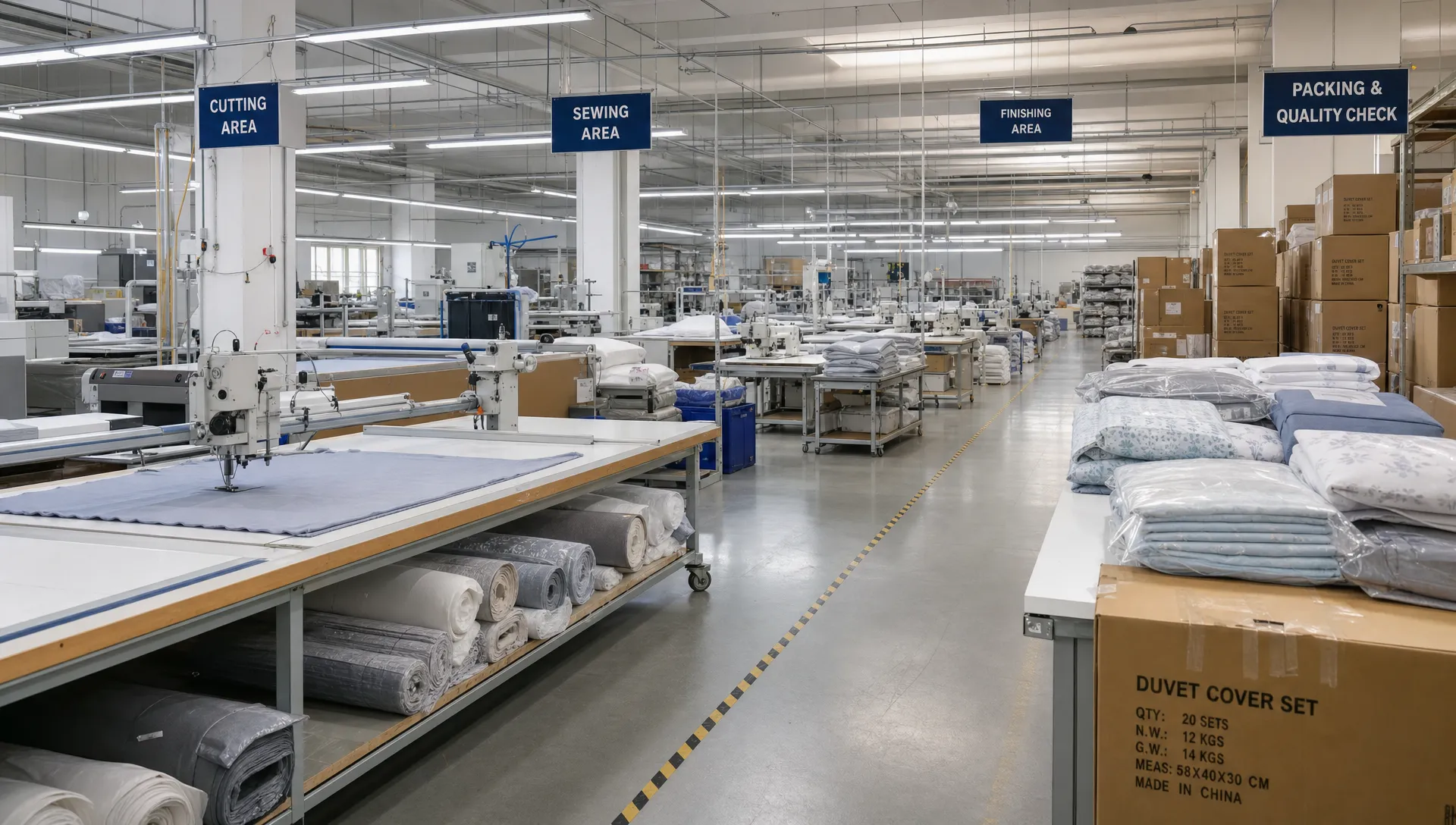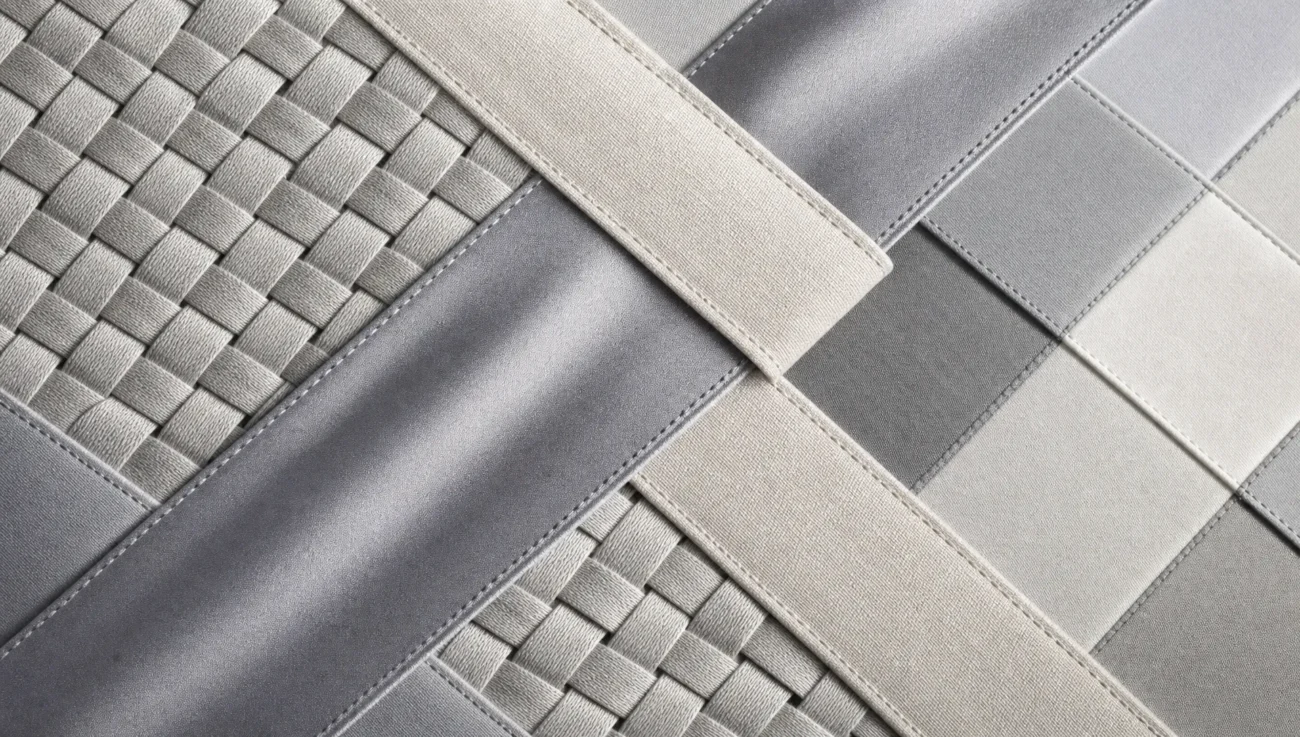
Choosing fabric for bed sheets that last is not about finding the highest thread count or the softest swatch on a sample card. Long-lasting sheets come from a complete specification: fiber quality, yarn construction, weave, weight, finishing, sizing and the way the fabric performs after repeated washing.
For hotels, distributors, wholesalers and private-label bedding brands, durability is more than a product feature. It affects replacement cycles, laundry costs, guest reviews and repeat orders. A sheet that feels luxurious on day one but shrinks, pills or loses shape after a few washes is not a good buy, even if the initial price looks attractive.
The right fabric choice starts with a practical question: what should the sheet survive? Home use, hotel laundering, spa turnover, retail packaging and export markets all place different demands on bedding. Once that use case is clear, fabric selection becomes much easier.
Define what “lasting” means before you compare fabrics
A long-lasting bed sheet is not only one that resists tearing. In bedding, durability has several layers. A sheet can remain intact but still fail commercially if it shrinks too much, becomes rough, pills heavily or no longer fits the mattress after washing.
For bulk buyers, durability usually means the sheet can maintain comfort and appearance through repeated use, laundering, drying, folding and storage. In hospitality, that cycle is much harsher than normal household use. In retail, the sheet must also meet customer expectations after weeks or months of home washing.
| Durability factor | What it means | Why it matters |
|---|---|---|
| Tensile and tear strength | Resistance to pulling, ripping and stress | Helps sheets survive laundering and daily handling |
| Pilling resistance | Ability to resist small fiber balls on the surface | Protects softness, appearance and customer satisfaction |
| Dimensional stability | Low shrinkage and shape distortion after washing | Keeps fitted sheets, flat sheets and pillowcases usable |
| Colorfastness | Ability to retain color or whiteness | Important for dyed bedding, hospitality whites and brand consistency |
| Seam performance | Strength of hems, elastic areas and stitched edges | Prevents early failure even when the fabric itself is strong |
| Hand-feel retention | Softness after repeated wash cycles | Helps sheets feel premium beyond the first use |
This is why the best fabric choice is rarely based on one number. A durable sheet is the result of several specifications working together.
Match the fabric to the end use
Before choosing cotton, bamboo, linen or blended fabric, decide where the sheets will be used and how they will be washed. A boutique hotel in France, a wholesaler serving rental apartments in Spain and a private-label brand selling premium sheets in Canada may all need different fabric choices.
Hotels and resorts often need sheets that can handle high washing frequency, hot water, commercial dryers and frequent pressing. For this market, dimensional stability and laundering performance can matter as much as softness.
Retail bedding brands may prioritize touch, drape, packaging presentation and product story. The fabric still needs durability, but the emotional feel of the sheet matters more than it might for institutional linen.
Wholesalers and distributors usually need a balanced product that can work across several buyers. A middle-weight cotton percale, cotton sateen or cotton-poly blend can be more practical than a very delicate premium fabric.
Climate also matters. Buyers serving Australia, South Africa, Spain or warm parts of the USA may favor breathable fabrics with crisp, cool hand-feel. Cooler markets such as Canada, Germany, Poland and the Netherlands may have room for slightly heavier weaves or brushed seasonal bedding, depending on the customer segment.
Compare the most common fabrics for bed sheets
No single fabric is best for every sheet program. The right choice depends on comfort positioning, price target, durability requirements and care conditions.
| Fabric type | Strengths | Watch-outs | Best fit |
|---|---|---|---|
| Long-staple cotton | Breathable, strong, familiar, versatile | Quality varies widely by yarn and finishing | Hotels, premium retail, wholesale basics |
| Cotton-poly blend | Strong, wrinkle resistant, often dries faster | Can feel less natural if polyester content is high | Hospitality, institutional use, cost-conscious programs |
| Bamboo viscose or bamboo lyocell | Soft, smooth, breathable feel | Labeling and processing claims must be accurate | Premium bedding, comfort-led private labels |
| Linen or cotton-linen | Very breathable, strong, textured look | Wrinkles easily and may cost more | Relaxed luxury, warm climates, lifestyle retail |
| Microfiber polyester | Affordable, smooth, quick drying | Lower breathability and lower premium perception | Budget retail, short-term rentals, value programs |
| Flannel cotton | Warm, soft, cozy | Brushed surface can pill with heavy use | Seasonal bedding in colder markets |
Cotton
Cotton remains one of the most reliable choices for bed sheets because it balances comfort, breathability and durability. The key is not simply choosing “100 percent cotton.” Long-staple cotton fibers generally spin into smoother, stronger yarns because there are fewer short fiber ends sticking out of the yarn surface. That can reduce pilling and improve long-term hand-feel.
Combed cotton is usually smoother than carded cotton because shorter fibers and impurities are removed during processing. Compact or ring-spun yarns can also improve fabric quality when specified correctly. For a premium sheet program, these details matter more than a generic cotton label.
Cotton-poly blends
A cotton-polyester blend can be a practical fabric for bed sheets when durability, wrinkle resistance and fast drying are priorities. Polyester can add strength and reduce ironing needs, which is useful in hospitality and high-turnover settings. The trade-off is feel. A blend with too much polyester may feel warmer, less breathable or less premium.
For commercial programs, cotton-poly fabric should be tested carefully for pilling. Low-quality blends can develop surface fuzz faster than expected, especially under repeated laundering.
Bamboo-based fabrics
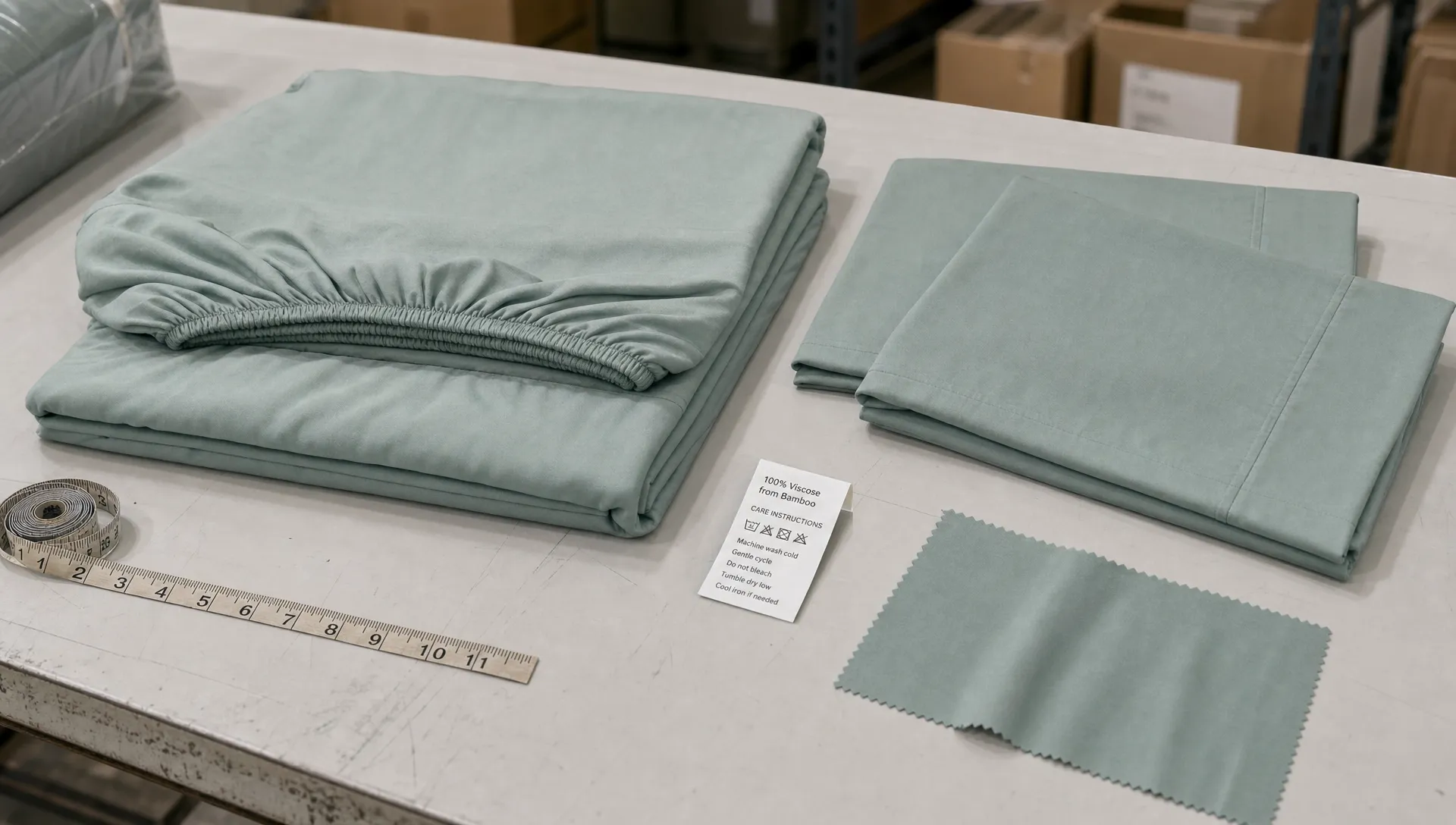
Many bamboo sheets are made from regenerated cellulose, commonly bamboo viscose or bamboo lyocell. These fabrics are valued for softness and a smooth drape. They can work well in premium bedding programs where touch is a major selling point.
Accurate labeling is important. The US Federal Trade Commission explains that many products marketed as bamboo are actually rayon or viscose made from bamboo-derived cellulose. If you sell in the USA or export to regulated markets, your fiber claims should match the actual material. Buyers building this category can also review Extreme Towel’s capabilities as a bamboo bed sheets manufacturer when planning wholesale or private-label sourcing.
Linen
Linen is naturally strong and breathable, with a textured look that works well for lifestyle bedding. It also wrinkles easily, which can be either a design feature or a problem depending on the market. For hotels that want crisp, smooth presentation, linen may require more finishing work. For warm climates and premium retail brands, it can be an attractive choice.
Look beyond fiber and check yarn quality
The fiber name is only the starting point. Two sheets can both be labeled cotton and perform very differently. Yarn quality affects strength, smoothness, pilling and how the fabric feels after washing.
Longer staple fibers are usually preferred for durable sheets because they create more uniform yarns. Fewer loose fiber ends means less fuzz, less pilling and a smoother fabric surface. Combed yarns remove many short fibers before spinning, which can improve consistency.
Ply also matters. Some high thread count sheets use multi-ply yarns to increase the advertised number. That does not automatically make the sheet stronger or more comfortable. A well-made single-ply fabric with better yarn can outperform a heavier, inflated thread count fabric made with weaker yarn.
If you are sourcing in bulk, ask for yarn count, yarn type and whether the fabric uses single-ply or multi-ply yarn. A supplier that can explain these details clearly is usually easier to work with than one that only promotes thread count.
Choose the right weave for durability and feel
Weave changes the way a sheet feels, wears and launders. The same fiber can become crisp, silky, warm or textured depending on the weave.
| Weave | Feel | Durability notes | Common use |
|---|---|---|---|
| Percale | Crisp, cool, matte | Stable plain weave, often good for repeated laundering | Hotels, warm climates, classic bedding |
| Sateen | Smooth, soft, slight sheen | Can snag or pill if yarn quality is weak | Premium retail, luxury hotel programs |
| Twill | Denser, flexible, subtle diagonal texture | Strong structure, less common for standard sheets | Specialty bedding, heavier programs |
| Jersey knit | Stretchy, T-shirt-like softness | Can stretch out and lacks crisp hotel presentation | Casual retail bedding |
| Flannel | Brushed, warm, cozy | Raised fibers need pilling control | Winter bedding, cold climates |
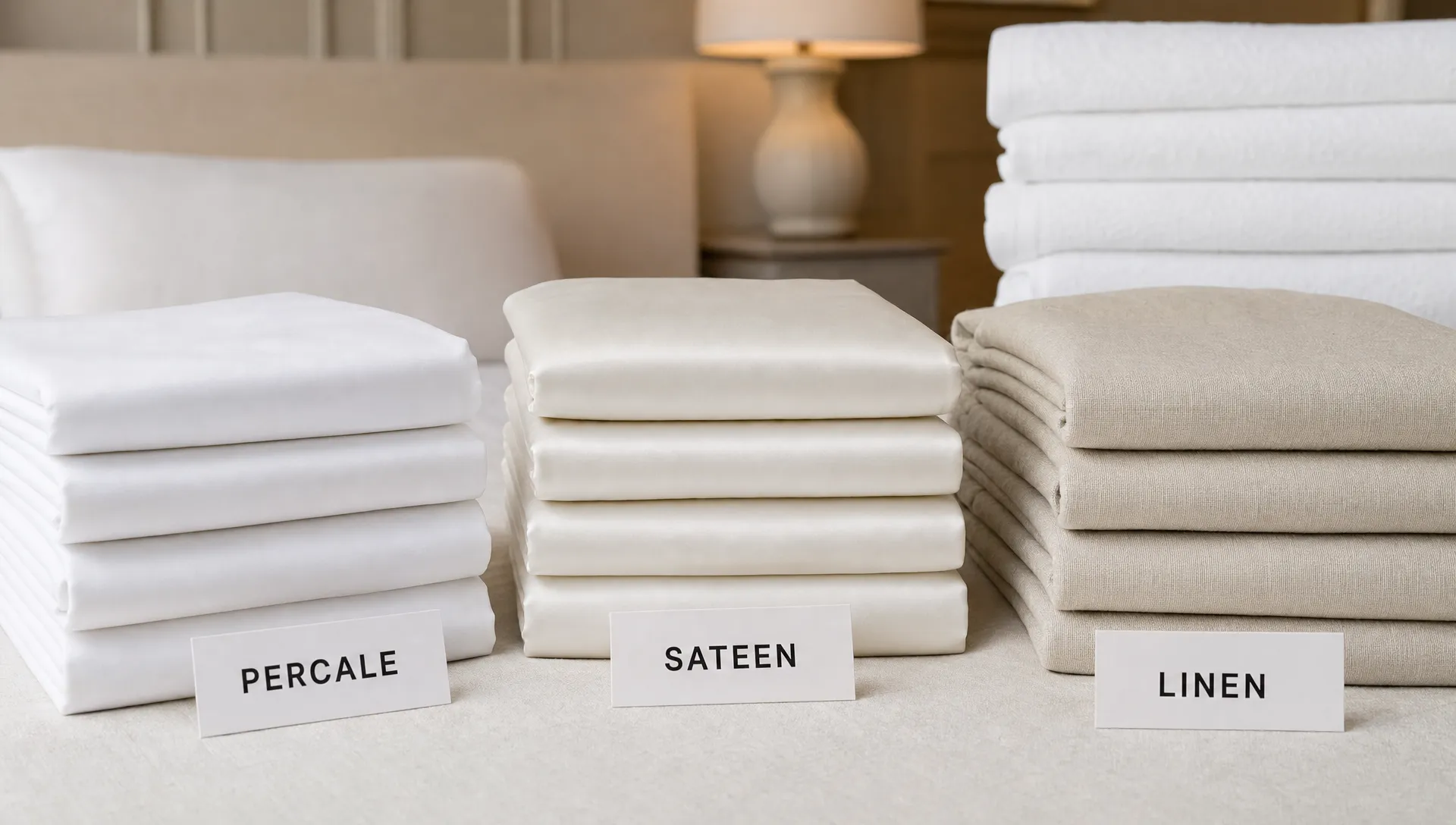
Percale is often a strong choice for hospitality because it is breathable, stable and crisp. Its one-over-one structure helps it handle frequent laundering. It may wrinkle more than sateen, but many hotel buyers accept that trade-off for durability and coolness.
Sateen uses longer yarn floats on the surface, creating a smoother hand and subtle sheen. It feels luxurious, but those floats can be more vulnerable to abrasion if the yarn is poor. A good sateen sheet can last well, but only if the fiber, yarn and finishing support the weave.
Jersey and flannel may feel soft in retail settings, but they are not always the best choice for high-turnover hotel programs. Their surfaces and structures can change more visibly with heavy use.
Treat thread count as one part of the specification
Thread count gets too much attention in sheet marketing. It is useful, but only when paired with yarn quality, weave and fabric weight. A high thread count made from weak yarn may not last longer than a moderate thread count made from better yarn.
For many durable cotton programs, percale sheets often sit in the 200 to 400 thread count range, depending on yarn fineness and market positioning. Sateen sheets often sit higher, commonly around 300 to 600, because the weave structure allows more yarns in the fabric. These ranges are not universal rules. They are starting points for discussion with your manufacturer.
Fabric weight also matters. A sheet that is too light may feel thin and wear quickly. A sheet that is too heavy may take longer to dry, increase laundry energy costs and feel less breathable. For commercial buyers, the right balance is a fabric that feels substantial without slowing down operations.
Test the fabric before placing a bulk order
A sheet sample should never be judged only by touch. Many fabrics feel excellent before laundering. The real test begins after washing, drying and folding.
For bulk orders, request pre-production samples or production-quality samples and test them under realistic conditions. If the sheets are for hotels, use a commercial laundry process or simulate one as closely as possible. If the sheets are for retail, test according to the care instructions that consumers will follow.
| Test area | What to check | Why it matters |
|---|---|---|
| Shrinkage | Measure length, width and pocket depth after washing | Prevents poor fit and customer complaints |
| Pilling | Check surface fuzz after abrasion and laundering | Protects appearance and softness |
| Tear strength | Test resistance to ripping under stress | Reduces early replacement |
| Colorfastness | Check fading, bleeding and staining | Critical for dyed sheets and branded collections |
| Seam strength | Inspect hems, elastic and stitching | Prevents construction failure |
| Hand-feel after washing | Compare softness before and after several cycles | Confirms long-term comfort |
The ISO 6330 standard provides recognized washing and drying procedures for textile testing. Commercial hospitality programs may need additional testing that reflects industrial laundering, higher temperatures and stronger chemistry.
Testing should also include the finished product, not only fabric yardage. A durable fabric can still fail if hems are weak, fitted sheet elastic is poor or the sheet is cut without proper shrinkage allowance.
Consider laundering from the beginning
Fabric durability and laundry performance are connected. A sheet that works beautifully in a home washing machine may not survive commercial washing at the same level. Hotels, spas and rental properties should choose fabric with the laundry process in mind.
High dryer temperatures can increase shrinkage and stress fibers. Strong detergents and bleach systems can also shorten textile life if they are not matched to the fabric. White cotton sheets are common in hospitality because they can support a clean, consistent presentation, but chemical use still needs control.
Cotton-poly blends may dry faster than all-cotton sheets, helping reduce laundry time. Percale can be a good choice where breathability and wash stability are priorities. Sateen may work well for premium rooms, but it should be tested for abrasion and snagging under the intended laundry conditions.
If the buyer uses outside laundry services, ask for their washing temperatures, drying methods, bleaching process and pressing equipment before finalizing the fabric. The best sheet specification is one that fits the full operating system, not just the guest room.
Do not ignore sizing and construction
Even the best fabric for bed sheets can disappoint if the finished sheet does not fit properly. Shrinkage allowance, mattress height, pocket depth, elastic quality and hemming all affect long-term performance.
For fitted sheets, the pocket must account for mattress depth, topper thickness and expected shrinkage. For flat sheets, generous dimensions help housekeeping teams tuck beds neatly after repeated washing. For pillowcases, closure style and seam quality affect both presentation and durability.
If sizing is a major part of your sourcing brief, Extreme Towel’s guide to custom size bed sheets explains how hotels, wholesalers and private-label bedding brands can define measurements more accurately before production.
Construction details worth specifying include hem width, stitch density, elastic placement, label position, packaging method and size tolerance. These details may look small, but they determine whether a sheet performs well in real use.
Check certifications and compliance needs
Certifications do not automatically prove that a sheet will last, but they can help with market access and customer trust. Many buyers in Europe, the USA, Canada, Australia and Japan ask about chemical safety, fiber claims and responsible sourcing.
OEKO-TEX Standard 100 is widely used to test textiles for harmful substances. Organic cotton programs may require separate organic certifications, depending on the market and claim. If you are selling bamboo-based bedding, make sure the product label reflects the actual fiber type, such as viscose, lyocell or another verified material.
For private-label programs, compliance should be built into the product brief early. Waiting until packaging artwork is finished can create delays if a fiber claim, care label or certification statement needs correction.
Write a clear fabric brief for your manufacturer
A strong supplier brief reduces misunderstandings and makes it easier to compare quotes. If one supplier quotes 100 percent cotton sateen without yarn details and another quotes long-staple combed cotton sateen with shrinkage tolerance, those are not the same product.
| Specification | What to include in the brief |
|---|---|
| End use | Hotel, retail, wholesale, spa, rental property or private label |
| Fiber composition | Cotton, cotton-poly, bamboo viscose, linen or blend percentage |
| Yarn details | Yarn count, combed or carded, ring-spun or compact, single-ply or multi-ply |
| Weave | Percale, sateen, twill, jersey or flannel |
| Thread count and weight | State thread count method and fabric GSM if relevant |
| Finished sizes | Flat sheet, fitted sheet and pillowcase dimensions after washing |
| Shrinkage tolerance | Maximum acceptable shrinkage after defined wash cycles |
| Testing requirements | Pilling, tear strength, colorfastness, seam strength and wash testing |
| Finishing and packaging | Soft finish, labeling, folding, inserts, cartons and custom packaging |
If you are still comparing sourcing partners, this guide on how to choose private label bedding manufacturers can help you evaluate production capability, communication and quality control before placing an order.
Common mistakes when choosing fabric for bed sheets
One common mistake is buying the highest thread count available without checking yarn quality. This can lead to heavy sheets that feel dense but do not last as expected.
Another mistake is judging durability from an unwashed sample. Fabric finishing can create a smooth first touch that changes after laundering. Always test washed samples before approving bulk production.
Some buyers also choose the same fabric for every market. A warm, dense sateen may work in a luxury retail line but feel too heavy for a resort in a hot climate. A very crisp percale may be ideal for hotels but less appealing to a consumer who wants silky softness.
The final mistake is under-specifying construction. Fabric selection gets most of the attention, but weak elastic, narrow hems or poor stitching can shorten the product life just as quickly as weak yarn.
Frequently Asked Questions
What is the most durable fabric for bed sheets? Long-staple cotton percale, high-quality cotton sateen and well-engineered cotton-poly blends are all durable options when made with good yarn and tested for laundering. The best choice depends on end use, care conditions and target price.
Is a higher thread count always better for durability? No. Thread count only matters when the yarn, weave and ply are also suitable. A moderate thread count sheet made from strong, long-staple yarn can outperform a very high thread count sheet made with weaker multi-ply yarn.
Are bamboo sheets durable? Bamboo viscose or bamboo lyocell sheets can be soft and comfortable, but durability depends on yarn quality, weave, fabric weight and care instructions. Buyers should also make sure labeling is accurate for the target market.
Which weave is best for hotel bed sheets? Percale is a popular choice for hotels because it is crisp, breathable and stable under repeated laundering. Sateen can also work for premium hotel programs, but it should be tested carefully for pilling, snagging and abrasion.
How should bulk buyers test bed sheet fabric before ordering? Bulk buyers should wash and dry samples several times, measure shrinkage, check pilling, inspect seams, test colorfastness and compare hand-feel before and after laundering. Hospitality buyers should test under commercial laundry conditions whenever possible.
Build long-lasting bed sheets with the right manufacturing partner
Choosing fabric for bed sheets that last requires more than selecting cotton, bamboo or a preferred thread count. You need a complete specification that matches the market, laundry process, comfort goal and construction requirements.
Extreme Towel manufactures bedding and hotel linens in Pakistan for hospitality brands, wholesalers, distributors and private-label buyers. If you are planning a bulk sheet program, share your target fabric, weave, finished sizes, packaging needs and export market requirements with Extreme Towel to start a practical sourcing conversation backed by OEM manufacturing, quality control inspections and global export support.