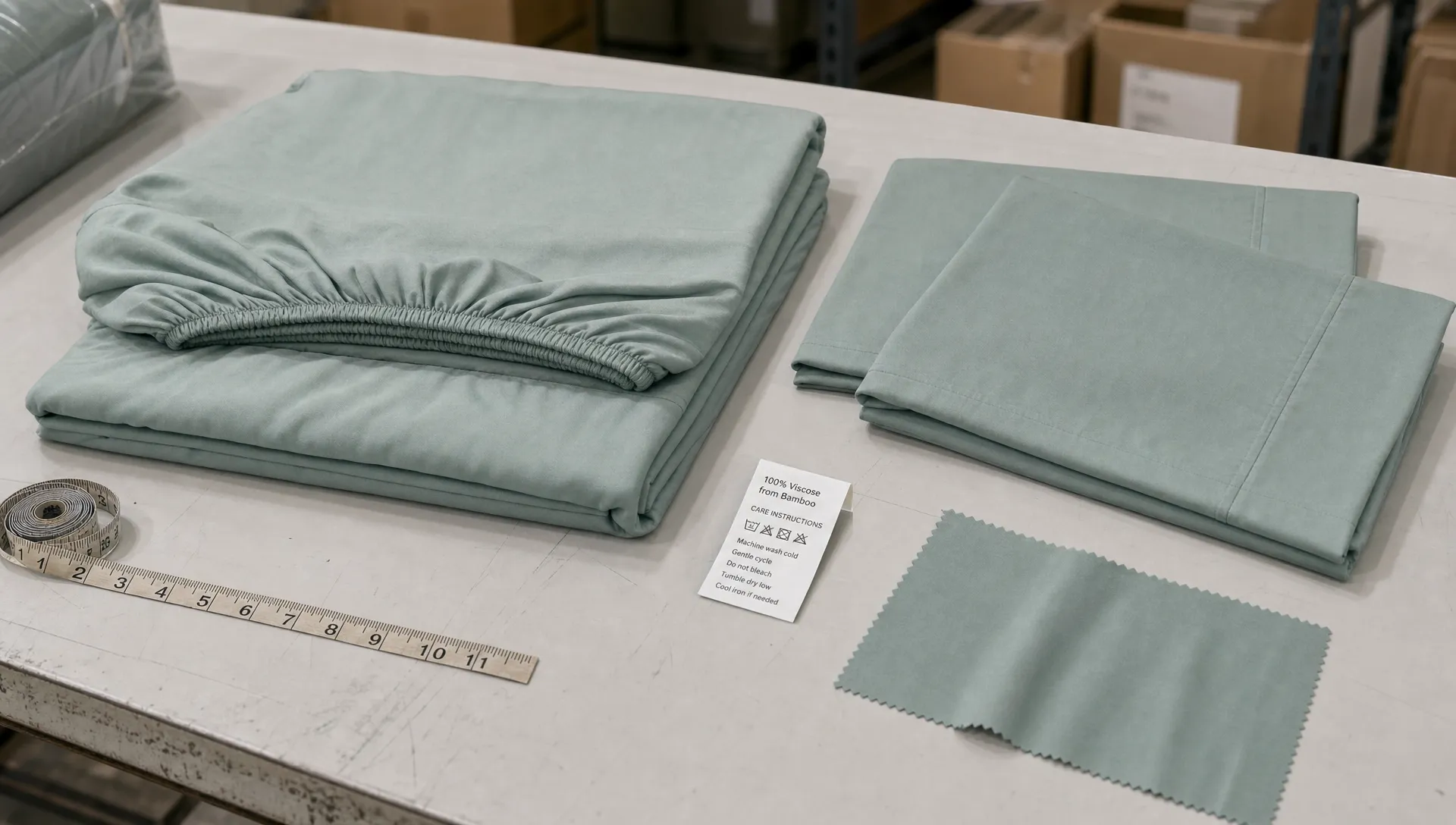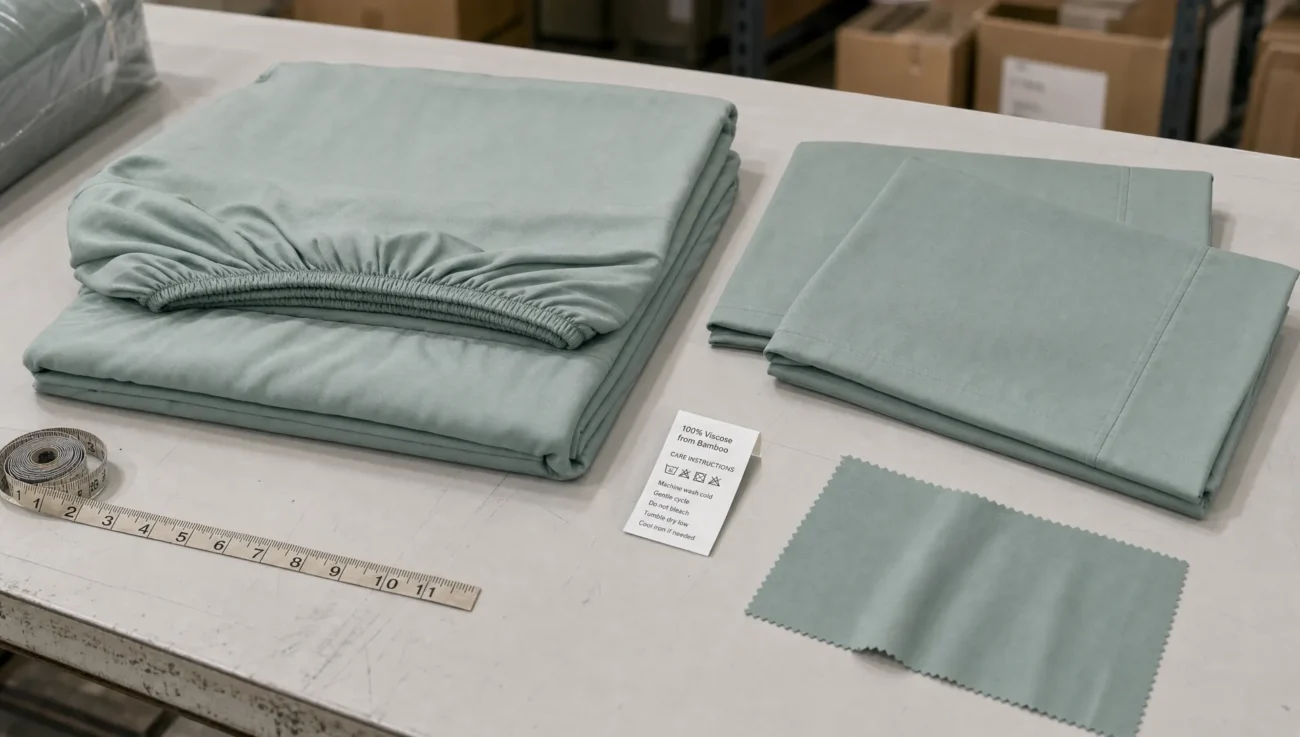
For wholesalers, hospitality suppliers and private-label bedding brands, organic bamboo bed sheets sit at the intersection of comfort, sustainability and premium retail storytelling. The question is not only whether customers like the feel of bamboo bedding, but whether the product can earn shelf space, meet compliance expectations and deliver repeatable quality at scale.
Bamboo bedding has moved from a niche eco category into a serious option for bedding ranges across the USA, Canada, Europe, Australia, Japan and other quality-driven markets. Shoppers want softer sleep products, hotels want linens that feel premium and distributors want ranges that can be differentiated without becoming too risky to source.
For B2B buyers, organic bamboo bed sheets are worth considering when the product is specified correctly, labeled accurately and backed by a manufacturing partner that understands bulk production. The opportunity is real, but so are the details that decide whether the line becomes a repeat seller or a costly experiment.
Why bamboo bedding is attracting premium buyers
The appeal starts with hand feel. Bamboo-derived fabrics, especially bamboo viscose and bamboo lyocell, are often chosen because they feel smooth, drape well and can create a cool-touch sleep experience. For bedding brands, that gives sales teams a simple story: softness, comfort and a more considered material choice.
The second driver is positioning. Bamboo bedding usually sits above basic microfiber and entry-level cotton in perceived value. That makes it useful for retailers building a good, better and best assortment, as well as hospitality suppliers that want a more elevated guest experience without moving into ultra-luxury cotton categories.
There is also a merchandising advantage. Bamboo sheets can be sold as standalone sheet sets, fitted sheets, pillowcase sets or coordinated bedding bundles. If your customers already buy towels, hotel linen or bathrobes, bamboo bedding can extend the textile conversation without requiring an entirely new buyer profile.
Are organic bamboo bed sheets right for your assortment?
Organic bamboo bed sheets make the most sense when your range has customers who care about comfort, responsible sourcing or premium sleep products. They are less suitable if your audience buys only on the lowest possible price, because bamboo-derived bedding usually needs a stronger product story and better specifications to justify its position.
For hospitality, the decision depends on guest expectations and laundry requirements. Boutique hotels, wellness resorts and premium serviced apartments may find bamboo bedding easier to position than budget properties with extremely aggressive laundering cycles. For retail and wholesale, the fit depends on how well your brand can explain the difference between bamboo viscose, bamboo blends and conventional sheet fabrics.
A practical way to assess fit is to compare bamboo with the fabrics you already sell. If customers frequently ask for breathable, soft or eco-conscious bedding, the category is likely worth testing. If returns are often caused by pilling, shrinkage or care confusion, specification control becomes even more important before launch.
Where the category performs best
Bamboo bedding is strongest when the buying context values experience, not only utility. A hotel buyer may care about guest comfort and presentation. A retailer may care about packaging, claims and perceived value on the shelf. A distributor may care about repeatable quality, carton efficiency and steady supply.
The category is also a good fit for private-label programs. With the right partner, you can adjust size ranges, colors, packaging, labels and fabric blends to suit different regions. For example, a European distributor may need a different size matrix from a USA retailer, while a Japanese buyer may prioritize compact packaging and refined finishing.
If you already sell bamboo-adjacent products, the move is easier. Buyers familiar with bamboo towels or bamboo-cotton blends will usually understand the comfort story faster than customers encountering the fiber for the first time.
What “organic” should mean in bamboo bedding
Before you list organic bamboo bed sheets, be precise about the word “organic.” In textiles, “organic” usually refers to how the raw plant material was grown, while the final fabric may still be made through a processing route such as viscose, rayon or lyocell. That distinction matters because regulators and buyers may treat fiber content claims differently by market.
In the United States, the Federal Trade Commission has warned brands that many bamboo textiles must be labeled as rayon or viscose made from bamboo unless the product is made directly from bamboo fiber. The FTC guidance on bamboo textiles is especially relevant for importers, retailers and private-label brands selling into the US market.
For the EU, UK, Canada, Australia and other regions, buyers should also review textile labeling rules, environmental claim guidance and any retailer-specific compliance manuals. The safest approach is to ask for clear fiber composition, testing documents and claim substantiation before packaging artwork is approved.
Certifications and documents to discuss
Not every supplier will hold every certificate and you should not assume certification from a product name alone. Instead, build a documentation checklist that matches your selling market.
Common topics to discuss include fiber origin, chain-of-custody documents where applicable, chemical safety testing, color fastness, dimensional stability and restricted substance compliance. Standards such as OEKO-TEX STANDARD 100 are often used to demonstrate testing for harmful substances, while forest or raw material sourcing claims may require separate evidence.
The key is to separate marketing language from verified product facts. “Bamboo,” “organic,” “eco-friendly” and “sustainable” are not interchangeable terms. B2B buyers should align claims with documents before bulk orders, especially when selling through major retailers or hotel groups with strict vendor onboarding.
Product specifications that decide whether buyers reorder
In bulk sourcing, organic bamboo bed sheets succeed when the technical specification supports the promise on the packaging. A soft sample is not enough. Buyers need consistency across fabric lots, colors, sizes and wash performance.
If you are still comparing materials, Extreme Towel’s guide on how to choose fabric for bed sheets that last is useful background for understanding durability, construction and laundering behavior before you finalize a bamboo program.
| Specification area | Why it matters for B2B buyers | Questions to ask before ordering |
|---|---|---|
| Fiber composition | Controls labeling, price and performance | Is it bamboo viscose, bamboo lyocell, bamboo-cotton blend or another construction? |
| Weave | Affects hand feel, drape and breathability | Is the fabric sateen, twill, percale-style or another weave? |
| Yarn and fabric quality | Influences softness, pilling and durability | What testing is available for pilling, tearing strength and wash stability? |
| Size range | Determines market fit | Are sizes aligned for USA, EU, UK, Australian or custom hotel mattresses? |
| Color and finishing | Impacts shelf appeal and repeat orders | How are shade consistency, shrinkage and color fastness controlled? |
| Packaging | Shapes retail and wholesale presentation | Can packaging be customized for private-label or hospitality supply? |
Commercial upside for wholesale and hospitality buyers
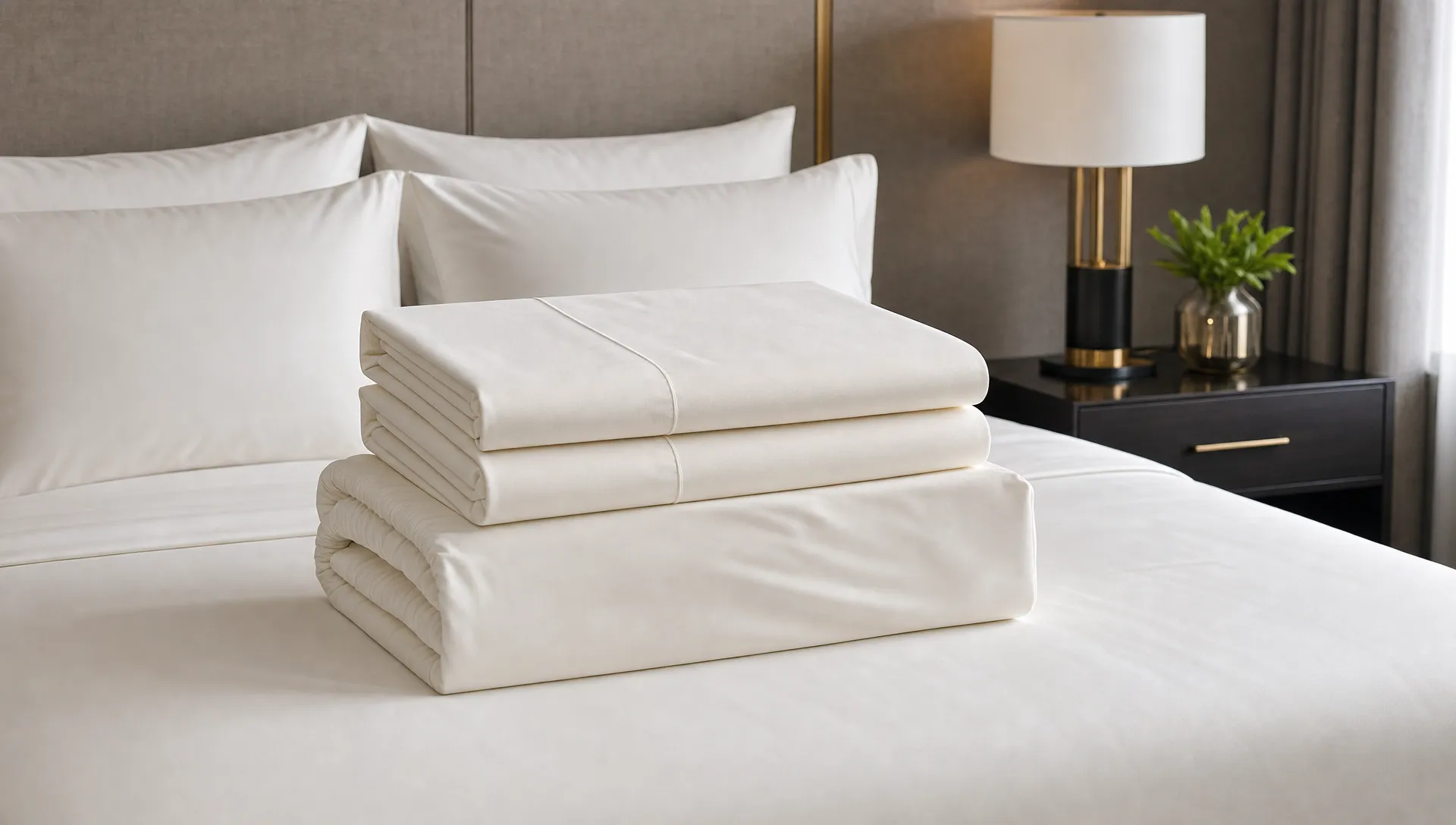
The commercial case for bamboo bedding is strongest when it is treated as a value-added line, not a commodity. Organic bamboo bed sheets can support higher perceived value because they combine softness, comfort and a responsible-material narrative that many customers already recognize.
For wholesalers, the category can create new conversations with retailers, e-commerce brands, hotel suppliers and distributors. Instead of competing only on standard cotton sheets, you can present a differentiated line with custom packaging and private-label options. That gives buyers a reason to compare your offer on product story and execution, not only on price per set.
For hospitality brands, bamboo bedding may fit premium rooms, spa properties, wellness retreats or VIP suites. It does not need to replace every sheet in the linen room immediately. A phased launch can help purchasing teams evaluate guest feedback, laundry response and replacement cycles.
Extreme Towel already manufactures bamboo bedding for bulk and private-label needs, and buyers exploring this category can review its wholesale bamboo bedding sheets for a closer look at typical product positioning.
Risks to manage before adding the category
The main risk with organic bamboo bed sheets is not demand. It is misalignment between marketing claims, product specification and end-use expectations. A sheet set sold as ultra-soft but prone to shrinkage will damage trust. A product marketed with unsupported green claims can create regulatory or retailer approval problems.
Quality control is especially important because bamboo-derived fabrics can vary by yarn quality, weave, finishing and dyeing process. Before committing to large orders, review pre-production samples, confirm measurements after washing and approve packaging language carefully.
Care instructions also deserve attention. Bamboo-derived sheets are usually marketed as premium textiles, so buyers expect them to stay smooth and attractive. If the end customer uses harsh laundering, high heat or improper detergents, performance can suffer. Clear care labeling reduces avoidable complaints.
Finally, do not ignore logistics. Bamboo bedding can be bulky, especially when packaged as complete sets. Carton dimensions, packing ratios, barcodes, labeling and destination requirements should be discussed early if you are supplying retailers, hotels or distributors across multiple countries.
How to test demand without overcommitting
If you are unsure whether organic bamboo bed sheets belong in your range, start with a controlled test rather than a full seasonal rollout. A focused program allows you to learn which colors, sizes and price points work before tying up too much inventory.
A sensible first test might include one or two neutral colors, the highest-demand size combinations and packaging that clearly explains the material. For hospitality, a trial in selected rooms or properties can show how the product performs under real laundering and guest-use conditions.
Track practical feedback, not only sales. Note return reasons, customer reviews, pilling complaints, shrinkage reports, packaging comments and repeat purchase behavior. For distributors, sales team feedback is also useful because it reveals which claims buyers understand and which require better explanation.
When the test works, expand deliberately. Add colors, pillowcase sets, duvet covers or coordinated bedding sets only after the core sheet range is stable. This approach protects margin and helps your supplier refine production details before larger export orders.
Sourcing checklist for B2B buyers
A good bamboo bedding program starts with a written specification and a supplier conversation that covers both product and export needs. If you are comparing suppliers, use the same checklist for each one so pricing and quality are easier to evaluate.
- Confirm exact fiber composition and approved labeling language for your selling markets.
- Request pre-production samples and review softness, stitching, sizing and fabric stability.
- Define size charts, colors, packaging, inserts, barcodes and carton markings before production.
- Ask what quality control inspections are performed during and after manufacturing.
- Review testing needs for pilling, shrinkage, color fastness and restricted substances.
- Clarify minimum order quantities, lead times, payment terms and export documentation.
If your business needs custom sizes, branded packaging or ongoing bulk production, working directly with a manufacturer can be more efficient than sourcing through multiple trading layers. Extreme Towel’s bamboo bed sheets manufacturer page outlines its role as a Pakistan-based manufacturer for buyers evaluating private-label and wholesale supply.
FAQ
Are organic bamboo bed sheets really organic? They can be, but the claim must be backed by documents. The bamboo plant may be organically grown, yet the fabric may be bamboo viscose, rayon from bamboo or lyocell. Always verify fiber content, processing route and claim substantiation for your market.
Are bamboo sheets better than cotton sheets? They are different rather than automatically better. Bamboo-derived sheets often feel smoother and drapier, while cotton performance depends heavily on fiber length, yarn quality and weave. For B2B buyers, the better choice depends on price point, buyer expectations and laundering needs.
What should wholesalers check before placing a bulk order? Wholesalers should confirm composition, size tolerances, wash shrinkage, pilling results, color fastness, packaging requirements and compliance documents. A strong sample approval process reduces disputes once bulk production begins.
Can bamboo bedding work for hotels? Yes, especially for boutique hotels, wellness properties and premium rooms where softness and guest experience matter. Hotels should test laundering performance before a wider rollout.
What is the best way to launch organic bamboo bed sheets in a new market? Start with a narrow range, usually core sizes and neutral colors, then measure sell-through, reviews and return reasons. Expand only after the specification, claims and packaging are proven.
Build a stronger bedding range with the right manufacturing partner
Adding bamboo bedding to your range can be a smart move when the product is sourced with discipline. The winners are usually not the buyers chasing the softest sample or the lowest quote. They are the buyers who align material claims, technical specifications, packaging and quality control before the first bulk shipment.
Extreme Towel manufactures towels, hotel linen, bamboo bedding and bathrobes for wholesale, hospitality and private-label customers worldwide. If you are evaluating bamboo sheets for your next range, you can discuss custom manufacturing, bulk production, export support and packaging requirements directly with the team at Extreme Towel.