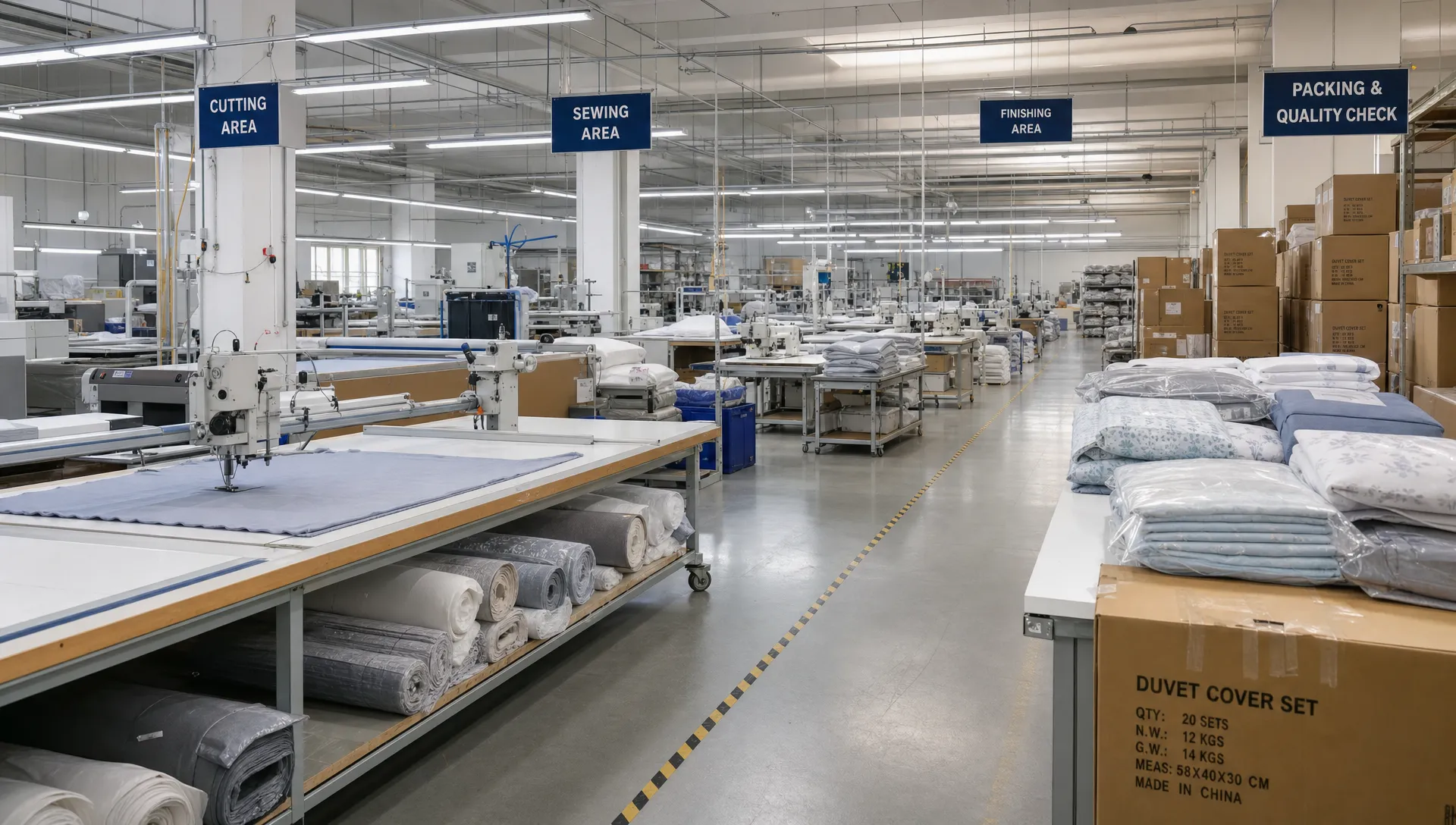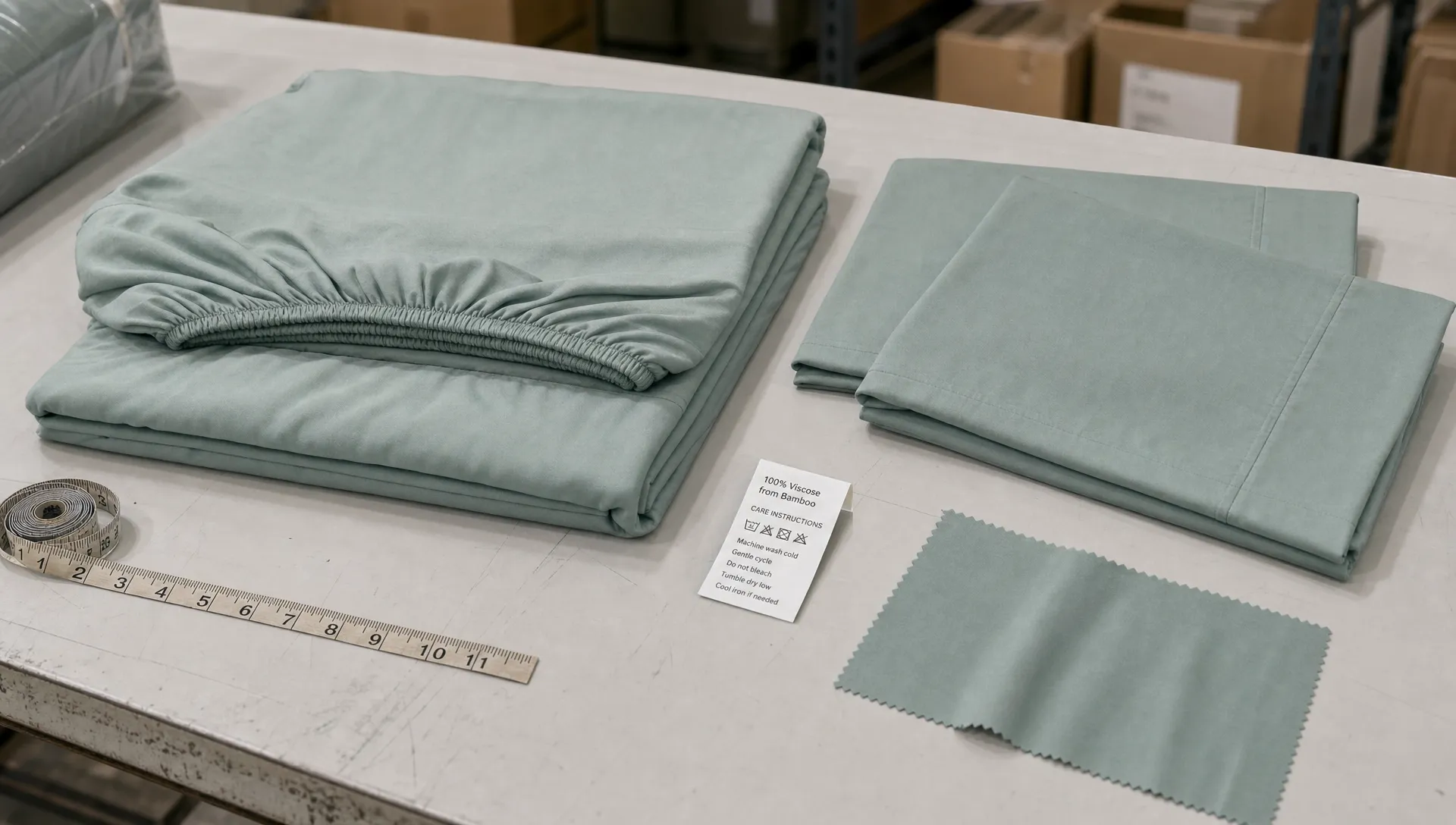
A bed sheet can meet the listed dimensions and still feel wrong in use. It may pull off a deep mattress, hang too low on a platform bed, bunch under a guest, shrink after repeated laundering or look uneven in product photography. For hotels, wholesalers, distributors and private-label bedding brands, those small fit issues become returns, guest complaints and operational waste.
That is why custom size bed sheets are not a niche request. They are a practical way to match bedding to the real mattress, market and end user. Whether you are supplying hotel rooms in Europe, retail bedding in the USA or specialty sizes for Japan, the goal is the same: a sheet that fits consistently after washing, packaging, shipping and everyday use.
Why better fit matters in commercial bedding
For a home customer, a loose or tight sheet is inconvenient. For a hospitality buyer or wholesale distributor, it affects product performance at scale. A sheet that fits correctly helps housekeeping teams make beds faster, keeps guest rooms looking cleaner and reduces the chance of premature fabric stress at the corners.
Fit also shapes the perceived value of the textile. A premium fabric can look cheap if the corners pop off or the flat sheet is cut too short for a proper tuck. The opposite is also true. A well-sized sheet, with the right pocket depth, hem and elastic specification, can make a standard fabric feel more polished.
Custom sizing becomes even more important when bedding crosses borders. Mattress dimensions, topper preferences and bed base styles differ between markets such as Canada, Germany, Australia, France, Japan, Poland, the Netherlands and the USA. A size that works for one market may not translate cleanly to another.
When standard bed sheet sizes are not enough
Standard size charts are useful, but they are not always enough for commercial purchasing. Many buyers start with terms like twin, queen, king or super king, then discover that the actual mattress depth, brand standard or regional expectation does not match the generic label.
Custom size bed sheets are especially valuable for:
- Hotels using mattresses with thick toppers or protectors
- Resorts, serviced apartments and boutique properties with mixed bed bases
- Retail brands selling into several countries with different size norms
- Distributors supplying specialty bedding for dorms, clinics or vacation rentals
- Private-label brands that want a signature fit or packaging standard
- Wholesale buyers replacing inconsistent stock across multiple suppliers
The business case is simple. If you can define the exact dimensions and construction details before production, you reduce guesswork later. That helps your manufacturer create a repeatable product rather than a close approximation.
What custom size actually means
Custom sizing is not only the length and width printed on a pack. A fitted sheet, flat sheet or pillowcase can have multiple measurement points that affect the final user experience. For fitted sheets, the pocket depth is often the most important detail because it determines whether the sheet can hold securely around the mattress.
Commercial buyers should also account for fabric behavior. Cotton, bamboo-derived fabrics and blends can shrink, relax or drape differently after washing. A good specification considers the finished size after laundering, not only the cut size before sewing.
| Sheet component | What to specify | Why it affects fit |
|---|---|---|
| Fitted sheet | Mattress length, width, depth, pocket depth and elastic style | Keeps the sheet secure and prevents corners from lifting |
| Flat sheet | Finished length, width, hem size and tuck allowance | Controls bed presentation and housekeeping ease |
| Top sheet for hotels | Overhang, tuck depth and laundering shrinkage allowance | Helps maintain a consistent room standard |
| Pillowcase | Pillow size, closure type and border width | Prevents excess fabric or tight stuffing |
| Bedding set | Size relationship between sheet, pillowcase and duvet cover | Keeps the whole set visually balanced |
For hotels and hospitality brands, it is also worth aligning sheet dimensions with laundering systems. Commercial washing, drying and pressing can change how linen behaves over time. A sheet that fits perfectly before bulk laundering may not perform the same after repeated wash cycles if shrinkage allowance is ignored.
How to measure for custom size bed sheets
A strong production brief starts with physical measurements, not assumptions. Even if you already know the mattress size name, measure the mattress and any topper or protector that will be used with the sheet. This is particularly important for deep mattresses and pillow-top designs.
Measure the mattress length from head to foot, then measure the width from side to side. Next, measure the full height, including any topper, mattress pad or protector that remains on the bed during use. For fitted sheets, the pocket depth should usually allow enough fabric to wrap securely under the mattress rather than sitting exactly at the mattress height.
Flat sheets need a different approach. The buyer must decide how much fabric should hang over each side and how much should tuck under the foot of the bed. Hotels often prefer a more generous flat sheet because it supports a cleaner tuck and a more uniform bed presentation.
A practical custom sheet brief should include:
- Product type, such as fitted sheet, flat sheet or complete sheet set
- Target market, such as USA, Canada, Japan, Germany or Australia
- Mattress measurements in centimeters or inches, with the unit clearly stated
- Finished sheet size after washing, if that is the required commercial standard
- Fabric composition, yarn count or thread count expectations, if already defined
- Hem width, corner style, elastic placement and label placement
- Packaging format, barcode needs and private-label requirements
For private-label programs, measurements should be finalized before artwork and packaging are printed. A mismatch between the product and the size label can create returns even when the textile quality is good.
Fabric choice changes how a sheet fits
Sizing cannot be separated from fabric selection. A crisp cotton hotel sheet behaves differently from a soft bamboo bedding fabric. The same finished dimensions may feel tighter, looser or more fluid depending on the material, weave and finishing process.
Cotton is widely used for hotel and retail sheets because it is familiar, breathable and suitable for many finishing options. Poly-cotton blends may be selected for faster drying and practical commercial laundering. Bamboo-derived bedding fabrics are often chosen for softness and drape, which can influence how the sheet falls around the mattress.
If your product line includes bamboo bedding, it helps to work with a manufacturer that already understands this category. Extreme Towel outlines its bamboo bedding capabilities on its bamboo bed sheets manufacturer page, including customization for wholesale and private-label buyers.
The key is to test the fabric in the same form the customer will use it. Do not judge fit only from an unfinished sample swatch. A sheet should be cut, sewn, washed if required and fitted to the intended mattress or a matching size standard before the bulk order is approved.
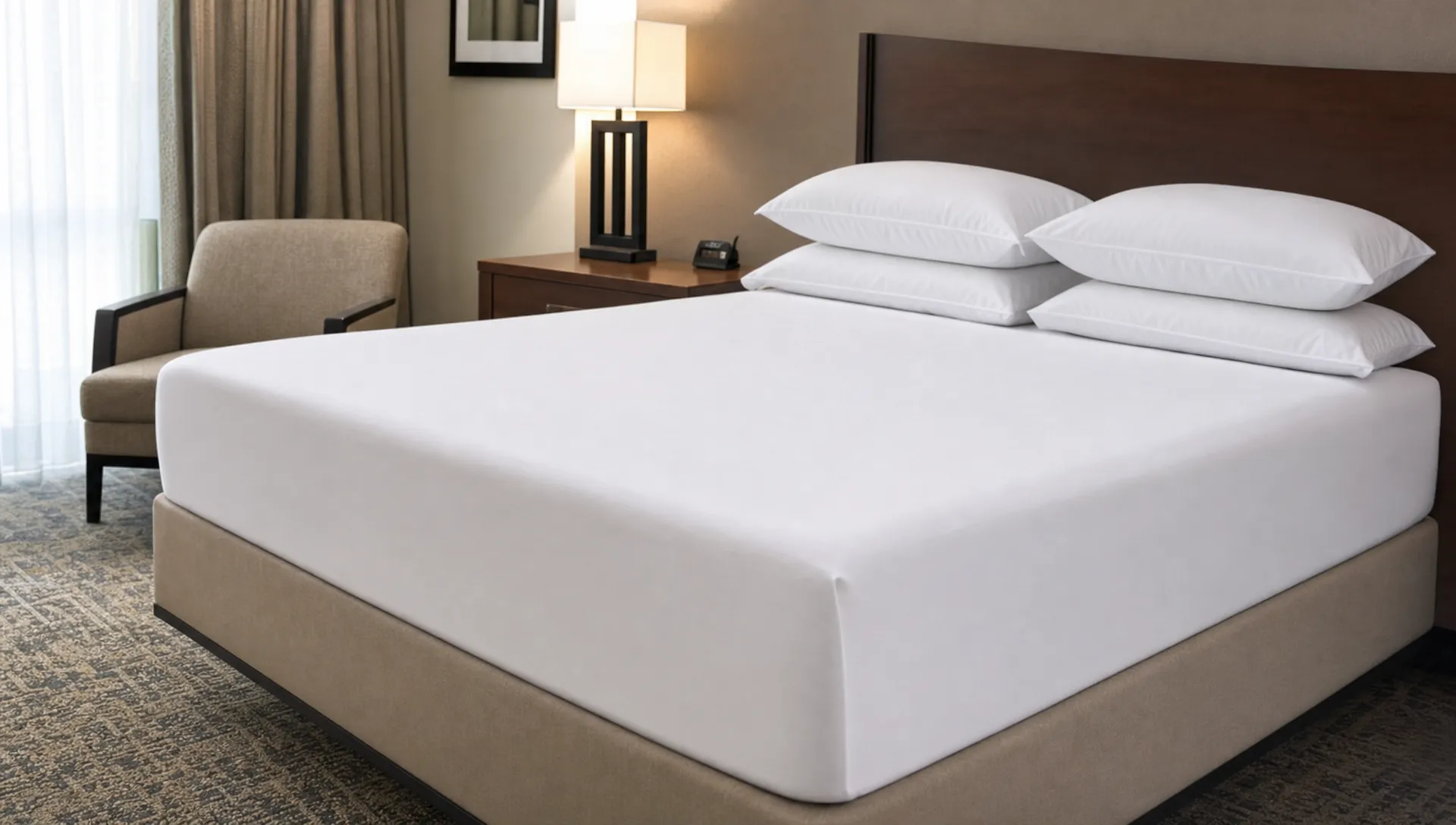
Custom sizing for hotels, wholesalers and private-label brands
The right custom sheet specification depends on the buyer type. A hotel group usually prioritizes durability, housekeeping efficiency and consistency across rooms. A retail bedding brand may focus more on packaging, customer size labels and a softer hand feel. A distributor may need a balanced specification that works for multiple clients.
For hospitality buyers, custom sheets should be evaluated as part of the full linen system. The fitted sheet, flat sheet, pillowcase, duvet cover, comforter and towel range all affect the guest experience. If you are sourcing multiple categories, Extreme Towel also provides wholesale hotel linen manufacturing for hotels and resorts, which can help keep specifications aligned across bedding products.
For private-label buyers, custom size bed sheets are also a branding decision. A clear fit promise, accurate size chart and consistent packaging can reduce confusion for end customers. If the sheet is made for a market with unique mattress sizes, the packaging should not rely only on generic terms. Include exact measurements so the customer knows what they are buying.
Common mistakes that lead to poor fit
Many sheet fit problems come from incomplete specifications rather than poor sewing. The manufacturer can only build to the details provided. If the brief says queen size but does not define the market, pocket depth or finished size, the result may be technically correct but commercially unsuitable.
The most common mistakes include choosing a size name without confirming actual measurements, ignoring mattress toppers, failing to include shrinkage allowance and approving a sample without fitting it on the intended mattress. Another frequent issue is switching fabric after sampling without updating the dimensions, even though the new material may shrink or drape differently.
Tolerance also matters. Textile production is not the same as metal or plastic manufacturing. Small measurement variations can occur through cutting, sewing, finishing and laundering. A clear tolerance range helps both buyer and manufacturer agree on what is acceptable before bulk production begins.
What to confirm before a bulk order
Before placing a bulk order, ask for a complete technical specification. This does not need to be complicated, but it should be specific enough for repeat production. A good specification protects both sides and makes reordering easier.
| Confirmation point | Why it matters before bulk production |
|---|---|
| Approved sample size | Establishes the reference for fit and construction |
| Finished measurements | Prevents confusion between cut size and ready-to-use size |
| Pocket depth and elastic | Determines how securely fitted sheets hold the mattress |
| Fabric composition | Affects shrinkage, drape, labeling and care instructions |
| Care label details | Supports correct laundering and customer expectations |
| Packaging format | Helps retail, wholesale and hospitality teams manage stock |
| Quality inspection criteria | Creates a shared standard for accepting goods |
For export orders, labeling and care instructions should match the destination market. In the United States, textile products are subject to Federal Trade Commission rules covering fiber identification and care labeling. Buyers can review the FTC’s guidance on textile labeling requirements when preparing packaging and product labels.
How to choose a manufacturer for custom sheets
A custom sheet order needs more than sewing capacity. The manufacturer should understand bedding construction, bulk consistency, quality checks and export documentation. For international buyers, communication is just as important as production capability because small specification errors can become expensive once goods are shipped.
Look for a supplier that can discuss fabric options, confirm realistic tolerances and guide you through sample approval before full production. Custom packaging, private-label details and carton marking should also be discussed early, not after the sheets are finished.
If you are comparing suppliers for a branded bedding range, Extreme Towel’s guide on how to choose private label bedding manufacturers explains what to review before committing to production.
As a Pakistan-based textile manufacturer and exporter, Extreme Towel supports custom OEM manufacturing, bulk production, quality control inspections, custom packaging and global export service for bedding and related textile categories. For buyers in the USA, Canada, Europe, Australia, Japan, South Africa and other markets, that manufacturing setup can be useful when the order requires both customization and repeatable supply.
Frequently Asked Questions
What are custom size bed sheets? Custom size bed sheets are sheets made to specific measurements rather than only standard retail size names. They can include custom length, width, pocket depth, hems, elastic placement and packaging details.
Why do fitted sheets come off the mattress? Fitted sheets often come off because the pocket depth is too shallow, the elastic is weak, the mattress has a topper that was not measured or the fabric shrank after washing.
Should I measure in inches or centimeters for custom sheet production? Either unit can work, but the unit must be clearly stated throughout the specification. International buyers should avoid mixing inches and centimeters in the same brief unless both are carefully checked.
Can custom size bed sheets be made for hotels and wholesale orders? Yes. Custom sizing is common for hotels, distributors, wholesalers and private-label bedding brands, especially when the buyer needs consistent fit across a large order.
What should I approve before bulk production? Approve the sample, finished dimensions, fabric quality, pocket depth, elastic style, stitching, labels, packaging and inspection criteria before the full order begins.
Build a better fitting sheet program
Better fit starts with better specifications. If you know your target market, mattress dimensions, fabric preference and packaging needs, a custom sheet program becomes much easier to produce consistently.
Extreme Towel manufactures and exports bedding, hotel linen, bamboo bedding, towels and bathrobes for hospitality, wholesale and private-label buyers. To discuss custom size bed sheets for bulk production or OEM supply, visit Extreme Towel and share your product requirements with the team.