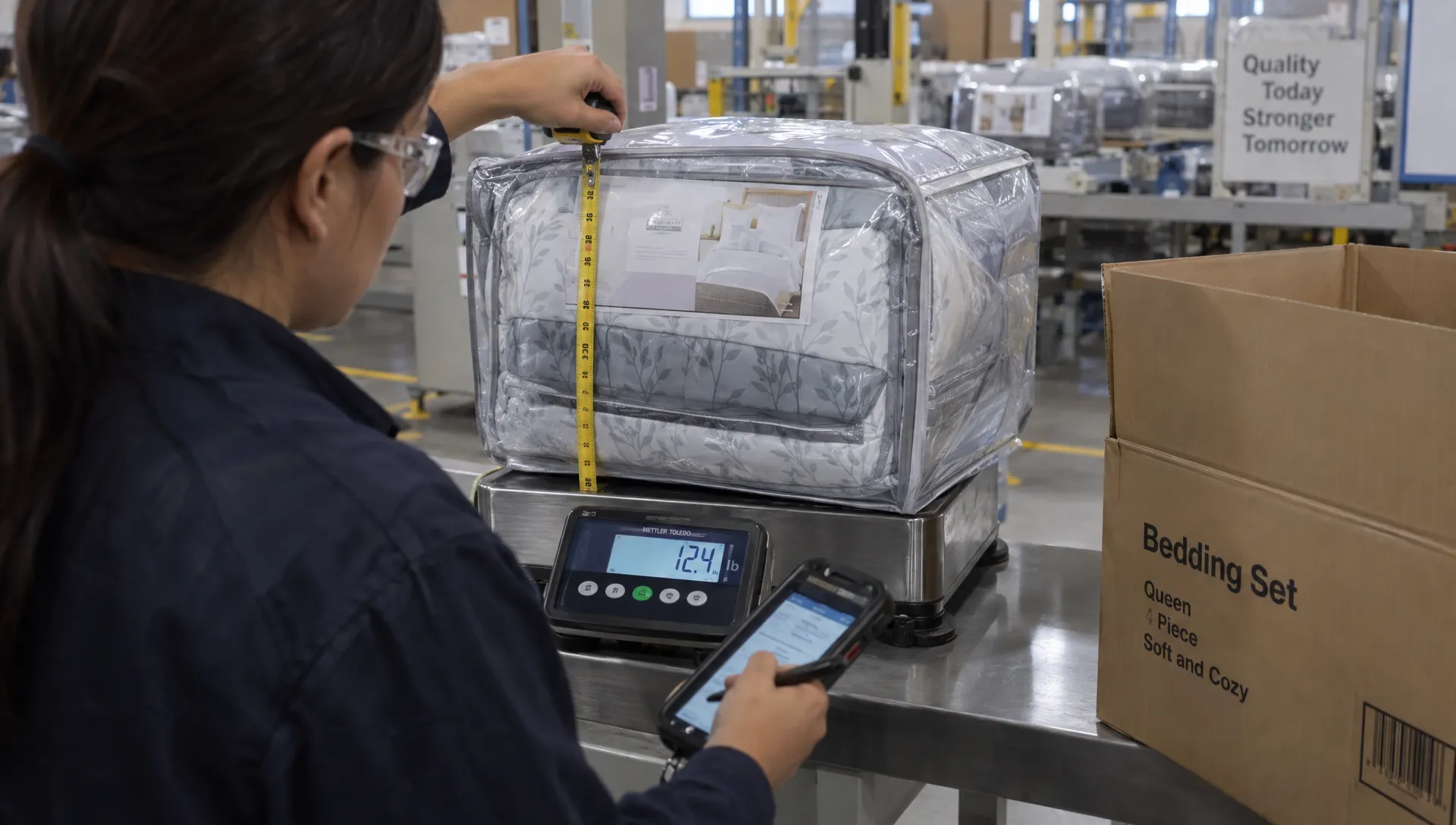
A global brand needs more than a textile supplier that can reproduce a sample. It needs a manufacturing partner that can translate product requirements into consistent bulk orders, market-ready packaging and reliable replenishment. For buyers working with home textile manufacturers in Pakistan, the value lies in coordinating those stages, from choosing yarn and fabric construction to preparing goods for export.
This guide explains how that process supports hospitality brands, retailers, wholesalers and private-label businesses, and where buyers should define responsibilities before production begins.
The manufacturing role behind an international label
Pakistan’s established textile manufacturing base gives international buyers access to producers of terry towels, bedding, bathrobes and other home textiles. However, manufacturers differ in their equipment, product specialization and use of subcontractors. A supplier that makes excellent towels is not automatically the right partner for every bedding construction.
Global brands generally engage manufacturers through two related arrangements. OEM manufacturing means producing goods to the buyer’s agreed specifications. Private-label manufacturing adds the buyer’s branding, which may include sewn labels, embroidery, retail packaging and carton markings. The terms can overlap, so the purchase agreement should define the actual work rather than rely on a label.
Extreme Towel offers both OEM manufacturing and private-label customization across its stated product categories, alongside bulk production, quality control inspections and export support. Buyers developing a towel range can explore its terry towel manufacturing capabilities as a starting point for a product-specific discussion.
The strongest relationships with home textile manufacturers in Pakistan begin with a clear division of responsibility: what the brand designs, what the factory develops and what each party must approve.
How home textile manufacturers in Pakistan translate specifications into products
A reference sample communicates appearance and feel, but it rarely captures every requirement needed for repeatable production. Brands should turn that sample into a written specification with measurable acceptance criteria.
For towels, the specification may include fiber composition, dimensions, GSM, pile construction, border design and stitching. Bedding requires different details, such as weave, fabric weight, finished dimensions and closure construction. Thread count alone does not define bedding quality, just as GSM alone does not establish a towel’s absorbency or durability.
| Specification area | What the brand should define | Why it matters |
|---|---|---|
| Material and construction | Fiber composition, yarn requirements and weave or pile structure | Establishes the intended feel and performance |
| Finished dimensions | Measurements, tolerances and whether sizes apply before or after washing | Prevents sizing disputes |
| Appearance | Approved color reference, border, embroidery and label placement | Keeps the collection visually consistent |
| Performance | Agreed tests, laundering conditions and acceptance limits | Makes quality expectations measurable |
| Packing | Unit presentation, quantities per carton and required markings | Supports retail distribution or operational use |
Keep revision numbers on specifications and record approvals in writing. An informal change to a label or fabric can otherwise create confusion between the sample room, purchasing team and production floor.
When home textile manufacturers in Pakistan receive a complete technical brief, they can assess feasibility and quote against a defined product rather than fill gaps with assumptions.
Different end users need different product briefs
The same product category can serve very different purposes. A hotel towel must balance guest comfort with repeated commercial laundering. A retail towel may place more emphasis on color coordination, shelf presentation and packaging. Neither brief should simply copy the other.
For hospitality orders, ask how the proposed construction performs under the buyer’s actual washing and drying conditions. For retail collections, agree on color references, barcode requirements and how the product should look after unpacking. Bedding buyers should also distinguish between constructions: a brand developing a crisp-feeling range can discuss percale bed sheet manufacturing rather than specify softness alone.
Wellness businesses illustrate another customer segment. Dr. Shannon Toler’s biological dental practice, Origin Dental Wellness, in Tulsa, Oklahoma, emphasizes whole-person care. For textile buyers serving businesses with that positioning, the useful step is to ask the end customer about fabric composition, laundering and fragrance requirements, not assume them from its branding. This example does not imply a sourcing relationship with Extreme Towel.
Across these segments, home textile manufacturers in Pakistan serve brands best when the brief explains where and how the product will be used. Descriptions such as “premium” or “luxury” need supporting specifications before they become production instructions.
Sample approval connects design with bulk quality
Sampling should resolve product decisions before they become costly bulk-production changes. Depending on the order, buyers may need to approve fabric swatches, color samples, embroidery, finished products and packaging separately.
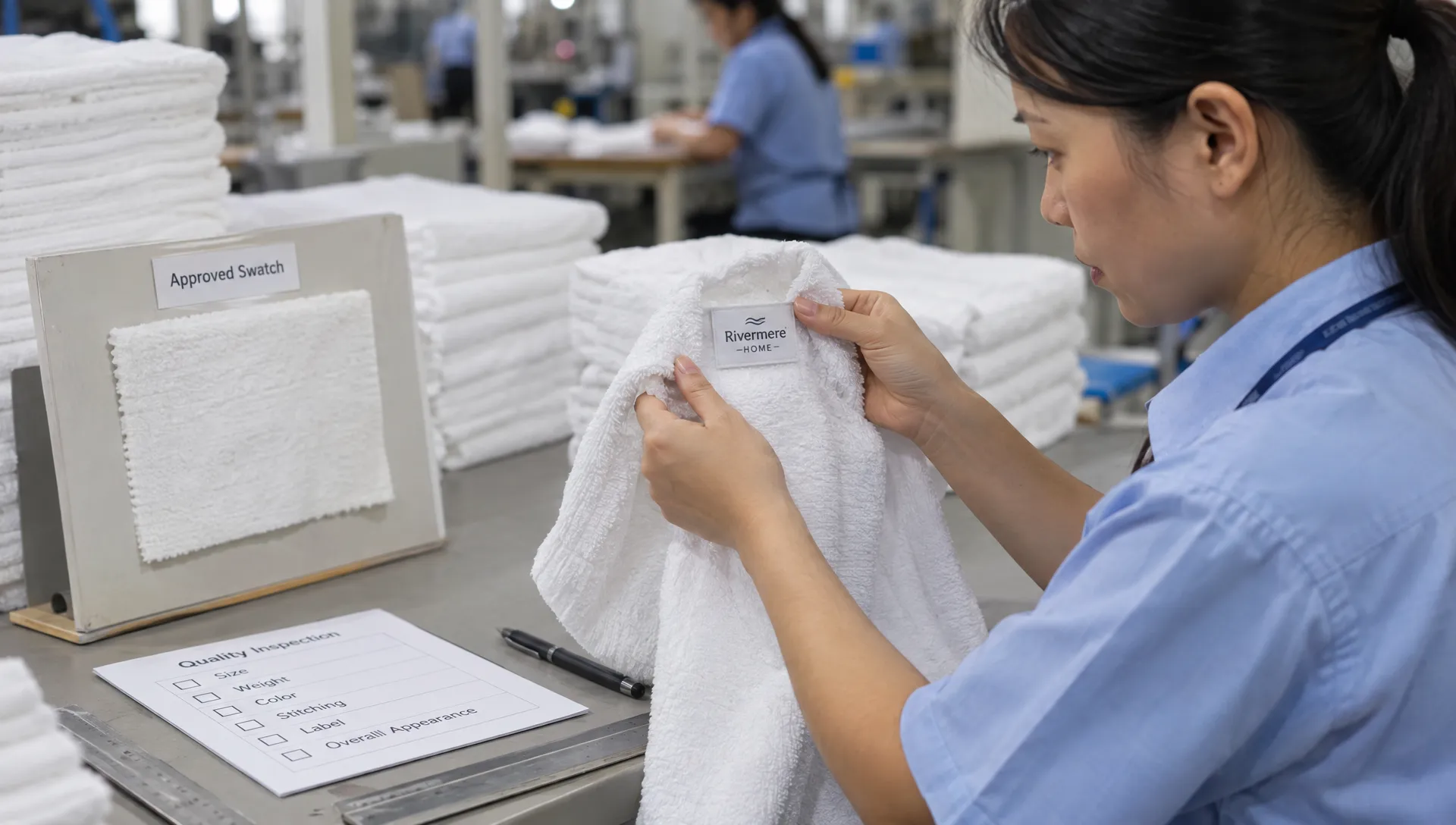
An approved sample is a reference, not a substitute for inspection. Bulk goods still need checks against the written specification. Agree on inspection stages, sampling methods, acceptance criteria and the process for resolving nonconforming goods before placing the order.
Useful checks include dimensions, unit weight, stitching, shade consistency, label accuracy and packing quantities. Performance testing should reflect the intended use. A towel supplied to commercial laundries, for example, may need evaluation under the washing conditions specified by that customer rather than a generic household wash.
Reports should identify the relevant product or batch and the method used. If a buyer requires a certification, confirm that its scope covers the applicable products and processes. A certificate displayed on a website does not by itself establish coverage for every item in a shipment.
Clear approval records also make communication easier when a discrepancy appears. Photographs, measurements and batch identification give both sides something concrete to investigate.
By linking sample approval with documented production checks, home textile manufacturers in Pakistan can support the consistency global brands need across a collection, rather than only deliver an attractive first sample.
Export markets require more than translated packaging
A product sold in Canada, Japan or Germany may need different labels and packaging from the same item sold in the United States or Australia. Brands should identify destination markets before finalizing artwork, not after goods are packed.
Requirements can cover fiber names, composition disclosures, language, country of origin, responsible-business information and product claims. Which rules apply depends on the destination and product. The buyer or importer should verify current obligations with qualified local support and give the manufacturer approved instructions.
Bamboo bedding deserves particular attention. Many textiles marketed as bamboo are made from regenerated cellulose fibers derived from bamboo, rather than mechanically processed bamboo fiber. The FTC’s guidance on bamboo textile claims explains why U.S. sellers must describe the actual fiber accurately and avoid unsupported claims.
For European sales, the EU Textile Regulation governs textile fiber names and fiber-composition labeling. Other obligations, including applicable product-safety and packaging requirements, need separate review.
A practical approach is to approve a market-specific label file for each SKU and prevent older versions from returning to production. Separate product composition, care instructions and marketing claims so each can be checked properly.
This is how home textile manufacturers in Pakistan help execute a global brand’s market requirements: by applying approved labels and packing instructions consistently, without treating one country’s artwork as suitable everywhere.
Export coordination turns finished goods into a usable delivery
Production completion and delivery are different milestones. A brand’s launch schedule must allow time for inspection, any corrective work, packing, inland transport, export handling, international freight and destination clearance.
Ask the supplier to distinguish these stages in its proposed schedule. A production estimate that starts after sample approval cannot be treated as a delivery estimate starting on the day of the first inquiry.
The quotation should also state the agreed Incoterms® rule and named place. These clarify important delivery obligations, costs and risk allocation, but they do not replace the rest of the sales contract or determine every customs requirement. Confirm who books freight, arranges insurance where required and handles destination clearance.
Compare landed cost rather than factory price alone. Freight, duties, taxes, inspection charges and destination handling can affect the commercial outcome. Packing dimensions matter too: bulky towels and bathrobes can consume substantial shipping space, making accurate carton measurements useful during freight planning.
Commercial invoices, packing lists and other required shipping documents should agree on descriptions, quantities and shipment details. The exporter, buyer and freight forwarder need a clear process for checking them.
For global buyers, the export support offered by home textile manufacturers in Pakistan is most useful when responsibilities, document requirements and shipment milestones are settled before dispatch.
Repeat orders turn a supplier into a long-term partner
A successful first order proves that a product can be made. A successful replenishment program proves that its specification can be maintained over time.
Brands should retain approved samples, specification revisions, label files and inspection records for each SKU. Reorders should identify the exact version being purchased rather than rely on a previous invoice description such as “white hotel towel.”
Forecasting also helps manufacturers plan materials and capacity. Share expected demand by product and color, while distinguishing forecasts from confirmed purchase orders. A broad forecast is useful for planning, but both parties still need agreed commitments before materials are reserved or production begins.
Any proposed change to yarn, fabric construction, packaging or production location should pass through an agreed approval process. A substitution that appears minor to the factory may alter the customer experience or invalidate previously approved labeling.
Over time, home textile manufacturers in Pakistan can become part of a brand’s replenishment system, provided both parties maintain product records and communicate changes early. The goal is fewer surprises across repeat orders, not just a lower price on the next shipment.
Frequently asked questions
Can an international brand order textiles under its own label? Yes, private-label production can include branding elements such as sewn labels, embroidery and custom packaging. Confirm the available options, artwork requirements and approval process for the specific product before ordering.
What determines minimum order quantities and lead times? Product construction, materials, colors, customization, packaging and production availability can all affect them. Request an order-specific quotation and clarify which approvals or payments start the production schedule.
Can one specification cover several export markets? The underlying product may be shared, but labeling, language, packaging and claims may need market-specific versions. Buyers should approve each version against the destination’s current requirements.
How should a brand compare manufacturing quotations? Give each supplier the same specification, quantities, packing requirements and delivery basis. When comparing home textile manufacturers in Pakistan, check what each quotation includes, which assumptions remain open and whether the proposed product meets the intended use.
Discuss your next textile collection with Extreme Towel
Extreme Towel manufactures and exports terry towels, hotel linens, bamboo bedding and bathrobes for international B2B customers. Its stated services include OEM production, private-label customization, bulk orders, quality control inspections, custom packaging and export support.
To begin a useful sourcing discussion, prepare your product specifications, estimated quantities, destination markets, branding requirements and required delivery date. Share reference samples or artwork where available, and identify decisions that still need development.
Contact Extreme Towel to discuss your requirements and confirm the applicable sampling process, order terms and production arrangements for your collection.