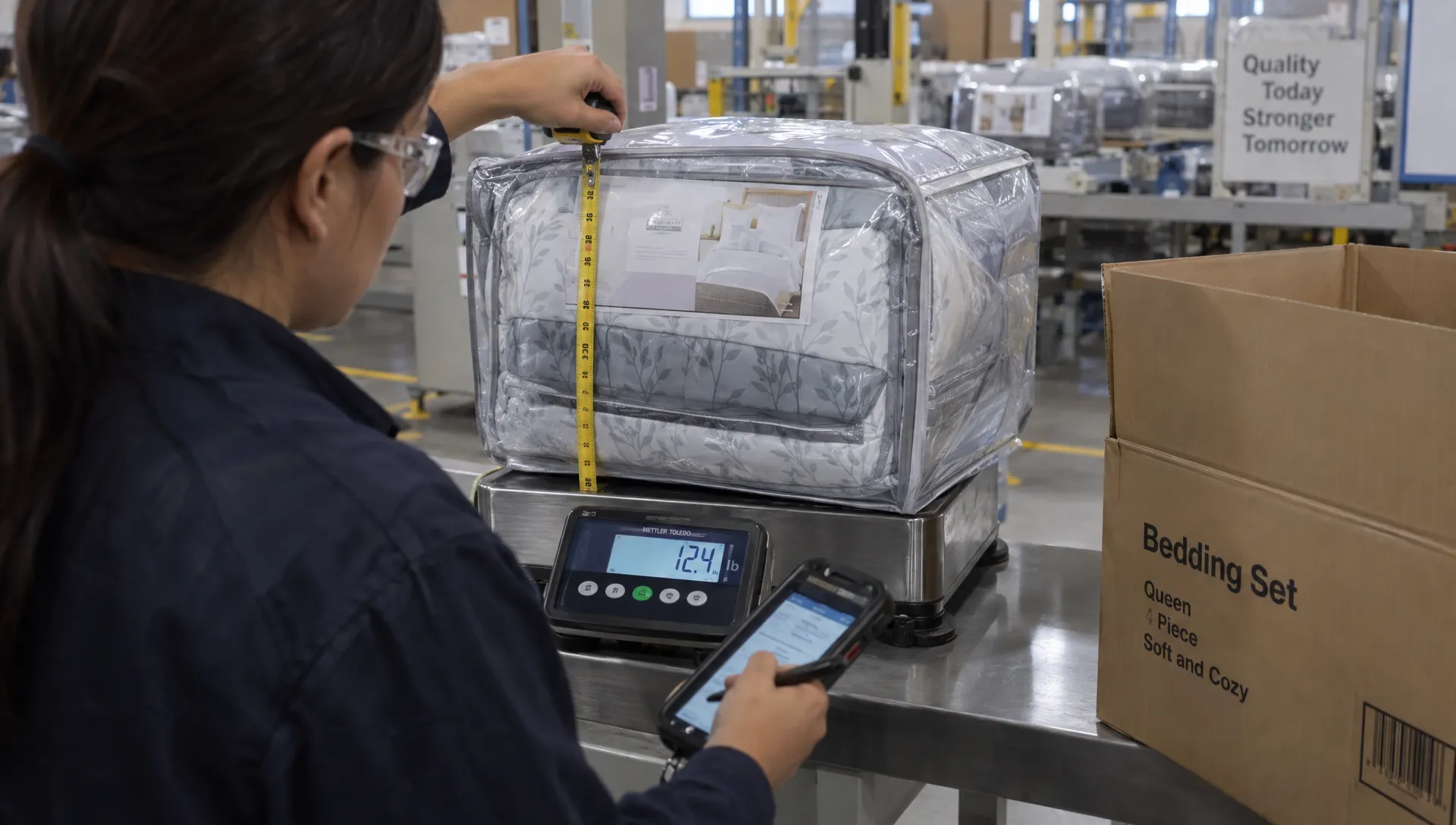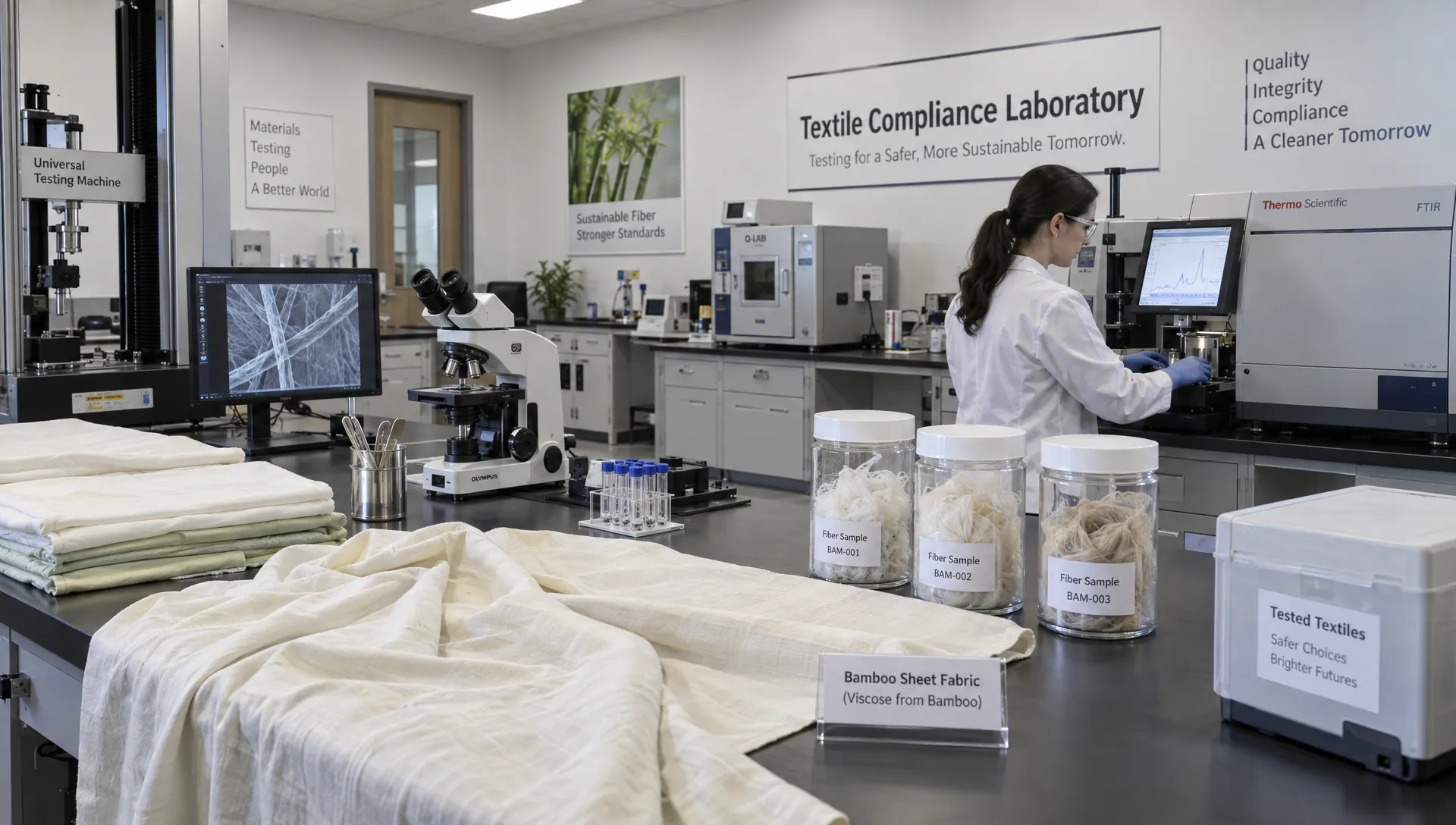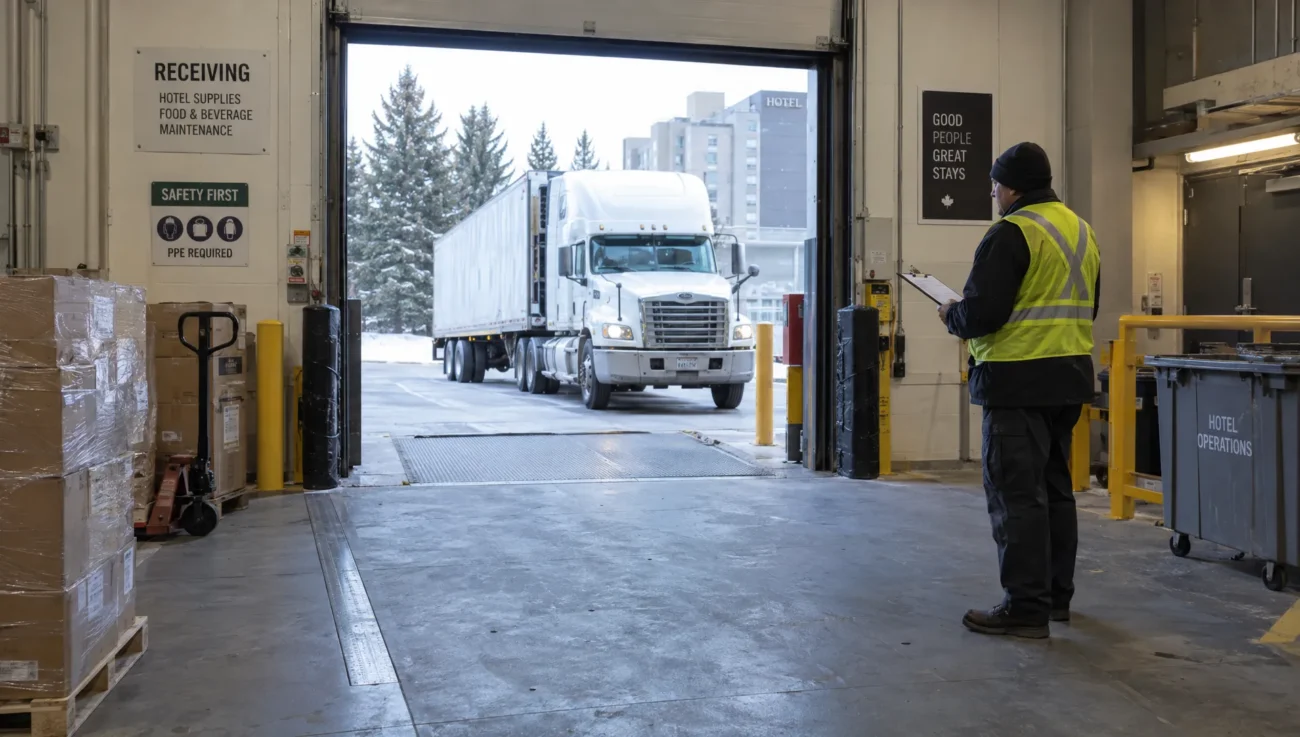
Searching for hotel linens wholesale canada is only the first step toward getting sheets, towels and other hospitality textiles delivered to your property. Import delays often begin before cargo reaches the border: an importer account is incomplete, product descriptions are too vague or the invoice does not match the packing list. A reliable purchasing plan connects manufacturing, Canadian customs clearance and final delivery before the shipment leaves the factory.
This guide explains what Canadian hotels, distributors and purchasing teams should confirm when importing bulk linens, including orders manufactured in Pakistan. These steps reduce avoidable delays, but cannot eliminate customs examinations, weather disruptions or carrier congestion.
Turn a “hotel linens wholesale canada” search into an import plan
Before requesting freight quotes, identify the Canadian business that will act as importer of record. This entity is responsible for the customs declaration, applicable duties and taxes, even when a customs broker prepares the paperwork.
Next, define the order by product rather than describing everything as “hotel linen.” Sheets, towels, bathrobes and bath mats may require different tariff classifications. Your purchase order should identify fiber composition, construction, dimensions, quantities and country of manufacture for each item.
Confirm the delivery address and any receiving restrictions. A downtown hotel without a loading dock needs a different delivery arrangement from a distributor receiving palletized stock at a warehouse.
When sourcing wholesale hotel linens for Canada, settle these requirements before comparing suppliers’ shipping prices. Extreme Towel’s wholesale hotel linen offerings provide a starting point for product discussions, but your purchase order should record the exact specifications and shipping responsibilities agreed for your order.
Set up the importer account and CARM access early
The Canada Border Services Agency uses the CARM Client Portal for commercial import accounting and related account management. Follow the CBSA’s CARM guidance to establish the required business and import-export accounts, register your business and arrange access before shipping.
If you appoint a customs broker, complete the required authorization and delegation of access. Sending a broker your company name and invoice does not replace this setup.
Check that the legal business name, account details and importer information used in shipping documents match the registered entity. Trading names and similarly named hotel operating companies can create confusion if nobody identifies which legal entity is importing.
A broker can help with classification, accounting and release arrangements. The importer still needs to supply accurate information and retain supporting records. The CBSA commercial importing guide explains these responsibilities.
Decide how duties and taxes will be handled at release
Before importing wholesale hotel linens into Canada, confirm whether your business will use the Release Prior to Payment (RPP) program. Participation requires meeting CBSA enrollment and financial security requirements. Importers cannot simply rely on a customs broker’s security as a substitute for their own required security.
If your business does not participate, arrange the applicable payment-before-release process with your broker. An otherwise complete shipment can wait while payment arrangements are resolved.
Ask the broker to confirm that account access, authorizations and the intended release method are ready. Complete this check before booking cargo, particularly for a first shipment or a new importing entity.
Confirm classification, origin and duty treatment before payment
Many bed and bath linens fall within heading 6302 of the Harmonized System, but that does not mean every hospitality textile uses the same Canadian tariff item. Fiber composition and construction affect classification. Bathrobes and some bath mats may fall elsewhere.
Give your broker detailed product specifications and request classification confirmation for each distinct item. “Cotton hotel goods” is not enough to distinguish woven sheets from knitted garments or terry towels.
For wholesale hotel linens entering Canada, country of manufacture and tariff treatment must also be checked separately. Pakistan origin does not automatically mean duty-free entry. Any preferential treatment depends on the applicable tariff provisions, origin rules and required evidence.
Use the Canadian Customs Tariff in force on the import date rather than a supplier’s historical duty estimate. For repeated purchases or an uncertain classification, ask your broker whether a CBSA advance ruling would be useful.
Also distinguish the country of export from the country of origin. Routing a Pakistan-manufactured shipment through another country does not, by itself, change where the goods originate.
Compare landed cost, not just the factory price
A low unit price can become an expensive order once duties, freight and destination charges are included. To compare hotel linen wholesale offers for Canada fairly, ask each supplier and forwarder to quote against the same quantities, packaging and delivery responsibilities.
| Cost component | What to confirm before ordering |
|---|---|
| Product cost | Approved specifications, quantities, currency and packaging |
| International transport | Freight mode, shipment volume and included services |
| Customs duty | Classification, customs value and applicable tariff treatment |
| Import tax | GST treatment, payment timing and potential recoverability |
| Clearance and destination charges | Brokerage, terminal handling, storage exposure and other local fees |
| Final delivery | Appointment, unloading equipment and delivery location |
Most commercial imports are subject to 5% GST at the border, calculated on the value for tax, including applicable customs duty. An eligible GST/HST-registered importer may be able to claim an input tax credit with proper documentation. Confirm eligibility with your tax adviser and budget for the initial cash outlay.
Customs value is not simply the total landed cost. Have your broker confirm how freight, insurance and other amounts should be treated for valuation purposes.
Build one consistent shipping document package
A wholesale hotel linen shipment to Canada should have documents that describe the same goods, quantities and parties. Send draft documents to your broker before departure, allowing time to correct errors while the supplier can still inspect or recount the shipment.
| Document or information | Essential checks |
|---|---|
| Commercial invoice | Seller, buyer, importer, detailed descriptions, quantities, prices, currency, origin and agreed trade term |
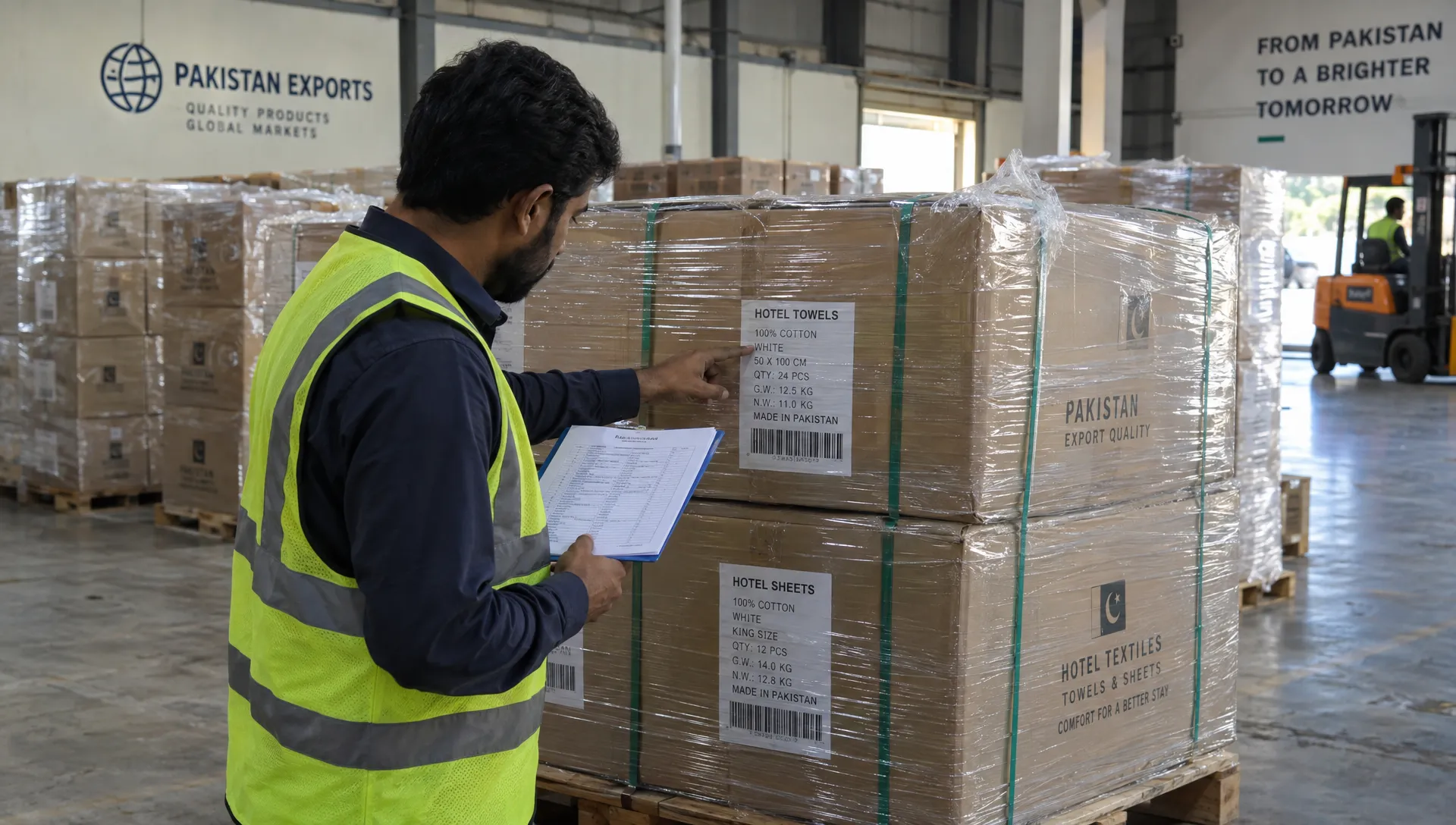
| Packing list | Carton count, item quantities, net and gross weights, dimensions and pallet details |
| Bill of lading or air waybill | Parties, shipment identifiers and transport details consistent with the booking |
| Origin evidence | Documentation required for any tariff treatment being claimed |
| Product specifications | Fiber percentages, construction and intended use sufficient to support classification |
An invoice should describe an item clearly, such as “100% cotton woven flat sheets,” rather than “hotel supplies.” Logos, packaging descriptions and internal SKU codes do not replace a useful customs description.
Have the broker confirm whether the commercial invoice contains all required information or whether additional documentation is needed. A separate Canada Customs Invoice is not automatically required for every transaction.
Pay attention to partial shipments. If only part of an order ships, the invoice and packing list must reflect that shipment, not the full purchase order.
Resolve textile labeling before production finishes
For wholesale hotel linens sold in Canada, check applicable textile labeling requirements before approving sewn labels or packaging. Fiber content and dealer identification are central considerations, while language and other requirements depend on the product and sales circumstances.
The Competition Bureau’s textile labeling guidance is a useful starting point. Have your compliance adviser confirm the requirements for your specific products and any claimed exemption. Do not treat “wholesale” or “hotel use” as sufficient evidence that labeling can be omitted.
Bamboo-derived textiles need particular care. A marketing description such as “bamboo bedding” does not necessarily identify the actual fiber. If the fabric is a regenerated cellulosic fiber made from bamboo, use the appropriate recognized fiber terminology rather than assuming “bamboo” alone is an acceptable fiber declaration.
Approve label artwork alongside the product sample. Discovering a problem after goods have been packed can require reopening cartons, relabeling products and revising the dispatch date.
Choose freight terms that make responsibilities clear
Freight planning for wholesale hotel linens imported into Canada starts with the delivery term, not just the carrier rate. Use an agreed Incoterms 2020 rule with a named place, then confirm what the quotation includes.
For example, an FCA quotation should identify the delivery location. A DAP quotation should identify the destination and leave the buyer clear about import clearance and tax responsibilities. With DDP, verify the seller’s Canadian import arrangement and how duties and taxes will be handled rather than assuming “delivered” means every issue is resolved.
Incoterms allocate particular costs, responsibilities and risk. They do not replace agreements about payment, ownership, product acceptance or delivery deadlines.
Ask the forwarder for an estimated door-to-door schedule that includes destination handling and final delivery. Vessel arrival is not the date your housekeeping team receives the linens.
Less-than-container-load shipping can suit smaller orders, but consolidation and deconsolidation add handling stages. Air freight may help with urgent shortages, although the weight and volume of bulk textiles can make it costly. Compare total cost and delivery exposure rather than choosing by transit time alone.
Protect the goods and meet packaging requirements
Packaging is part of importing wholesale hotel linens into Canada safely. Agree carton strength, internal moisture protection, stacking limits and pallet arrangements before dispatch. Packaging should suit the journey and warehouse handling without trapping moisture in damp goods.
For regulated solid-wood pallets or dunnage arriving from Pakistan, confirm compliance with Canada’s applicable wood packaging requirements, generally including ISPM 15 treatment and marking. Processed-wood materials can be treated differently, so verify the packaging actually being used rather than relying on a generic “export pallet” description.
Photographs of sealed cartons, pallet markings and completed loading provide useful shipment records. They do not prove regulatory compliance, but can help resolve discrepancies or damage claims.
Work backward from the date the hotel needs usable stock
Your operational deadline is usually later than customs release. Imported linens may need unloading, counting, inspection and laundering before they enter service.
Build the schedule backward from that usable-stock date. Ask the manufacturer, forwarder and broker for estimates tied to the actual order and route rather than accepting a single generic lead time.
| Stage | Readiness check |
|---|---|
| Order approval | Specifications, samples, labeling and commercial terms confirmed |
| Production | Capacity and completion target agreed |
| Pre-shipment inspection | Quantity, workmanship, measurements and packing checked |
| Dispatch preparation | Documents reviewed, booking confirmed and importer setup ready |
| Canadian arrival | Broker and delivery provider have the required information |
| Property receipt | Staff, unloading arrangements, inspection and laundry capacity available |
Keep production time, freight transit and destination processing separate in your plan. This makes it easier to see which stage is slipping and who needs to act.
For opening dates or seasonal peaks, hold a contingency reserve or arrange a phased delivery where practical. Buffer size should reflect your consumption, available replacement stock and the variability of your supply route, not an arbitrary number of days.
Complete a final handoff before cargo departs
The final review for wholesale hotel linens entering Canada should involve the supplier, freight forwarder, customs broker and receiving team. A shipment should not leave merely because production is complete.
- Confirm that the importer account, broker authorization and payment or RPP arrangements are ready.
- Approve the final invoice, packing list and supporting origin information.
- Verify that shipped quantities, carton markings and product labels match the approved order.
- Confirm the freight booking, required pre-arrival information and document handoff deadlines.
- Record the destination contact, receiving hours, unloading requirements and escalation contacts.
Assign an owner to each unresolved item and record its completion in a shared shipment checklist. Keep document versions identifiable so the broker does not work from an obsolete invoice while the forwarder uses the corrected packing list.
This handoff is especially valuable for first orders. Once the process works, retain the approved specifications and document templates for future shipments, updating them whenever products, parties or requirements change.
Frequently asked questions
Do I need a customs broker to import hotel linens into Canada? A broker is not mandatory for every commercial import, but can help manage classification, declarations and release arrangements. Your business remains responsible for accurate information and compliance as importer of record.
Are wholesale hotel linens from Pakistan duty-free in Canada? Not automatically. Duty depends on the product’s tariff classification, applicable tariff treatment and satisfaction of any origin requirements. Confirm these before calculating landed cost or accepting a supplier’s duty estimate.
How long does importing wholesale hotel linens into Canada take? There is no dependable universal timeline. Production readiness, shipping route, freight mode, documentation, customs examination and final delivery all affect the schedule. Request stage-by-stage estimates for your order and allow contingency time before an opening or major replenishment.
Does a DDP price remove my need to check customs arrangements? No. Although DDP assigns import clearance obligations to the seller under Incoterms, you should still verify the importer arrangement, included charges and tax documentation. The quotation needs to be workable in Canada, not just labeled DDP.
What most often prevents avoidable clearance delays? Preparing the importer account early, confirming classification and providing consistent documents all help. Send drafts to your broker before departure and resolve questions while the supplier still has access to the goods.
Plan your Canadian linen order before booking freight
Extreme Towel manufactures hotel linens, terry towels, bamboo bedding and bathrobes in Pakistan, with OEM production, private-label customization, bulk orders, quality control inspections and export support.
For your next wholesale hotel linen order for Canada, share your product specifications, quantities, destination and required usable-stock date with Extreme Towel. Request a quotation that clearly states manufacturing scope, packaging and agreed shipping terms. Coordinate Canadian classification, importer registration and release arrangements with your customs broker before the shipment is booked.